
Coat type before breed stereotype
Breed can predict coat tendencies. The individual coat still decides the work.
Use breed guides to anticipate density, oil, tangling, seasonal release, and maintenance—but build the final plan around the coat and cat actually present.
Start here
Start with the coat structure
Length is only one variable. Undercoat density, guard-hair texture, oil, friction zones, body size, and the cat’s ability to rotate and lick all affect maintenance.
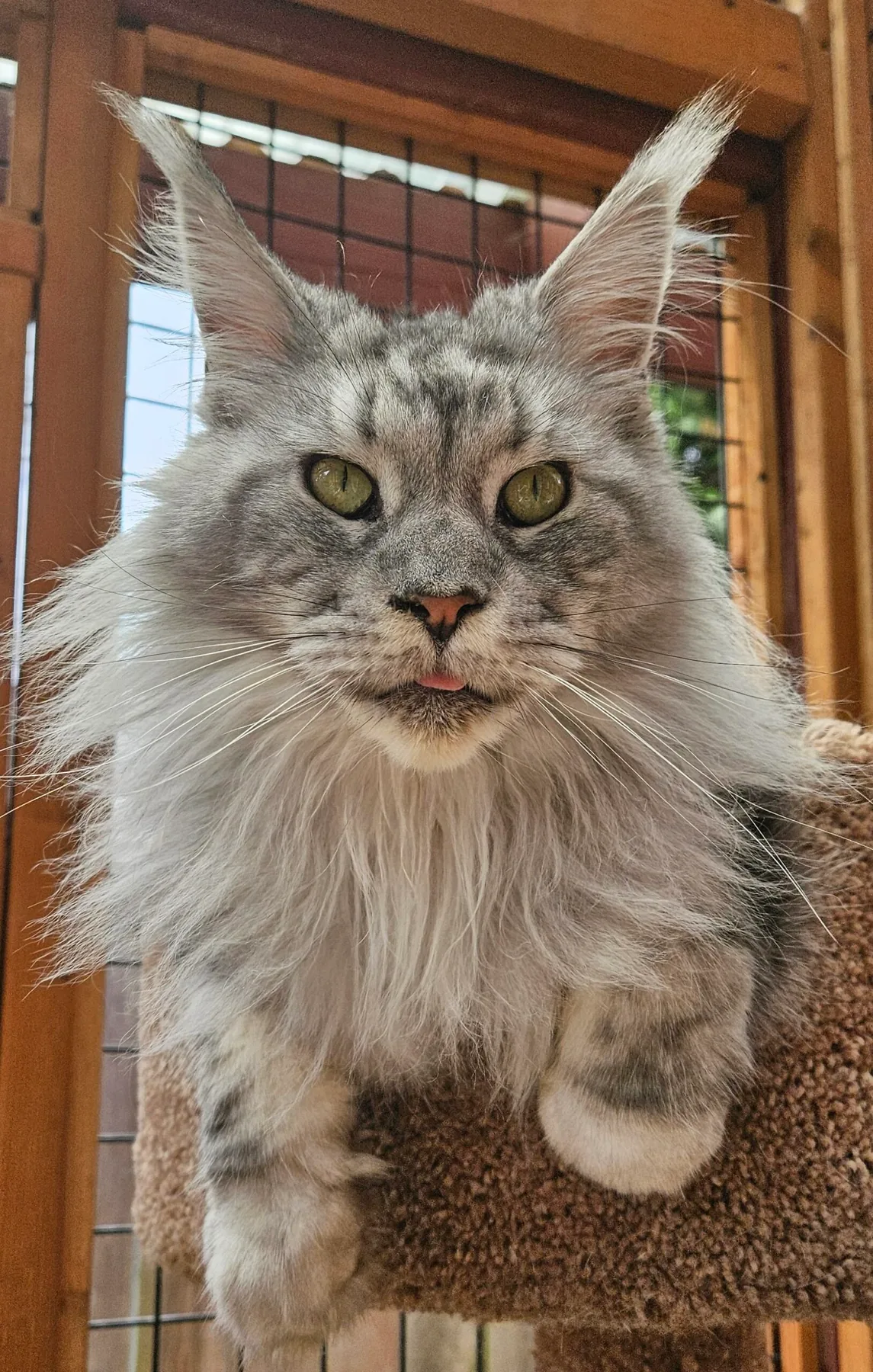
Maine Coon
Plan for large body size, dense undercoat, friction mats, tail and ruff maintenance, and longer drying time.
Explore this guide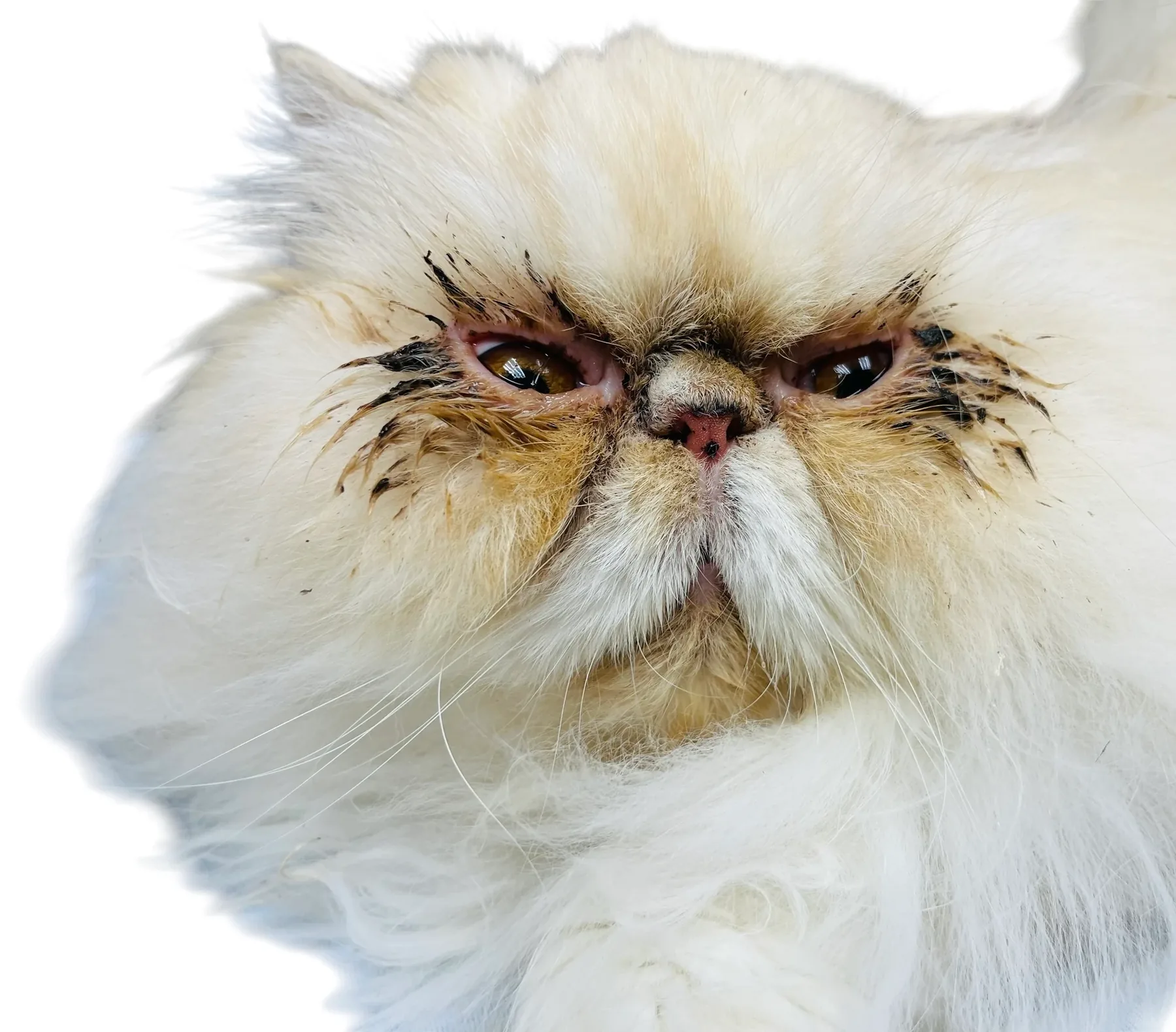
Persian and Himalayan
Address dense fine coat, oil, face and eye-area hygiene, tangling, and frequent maintenance needs.
Explore this guide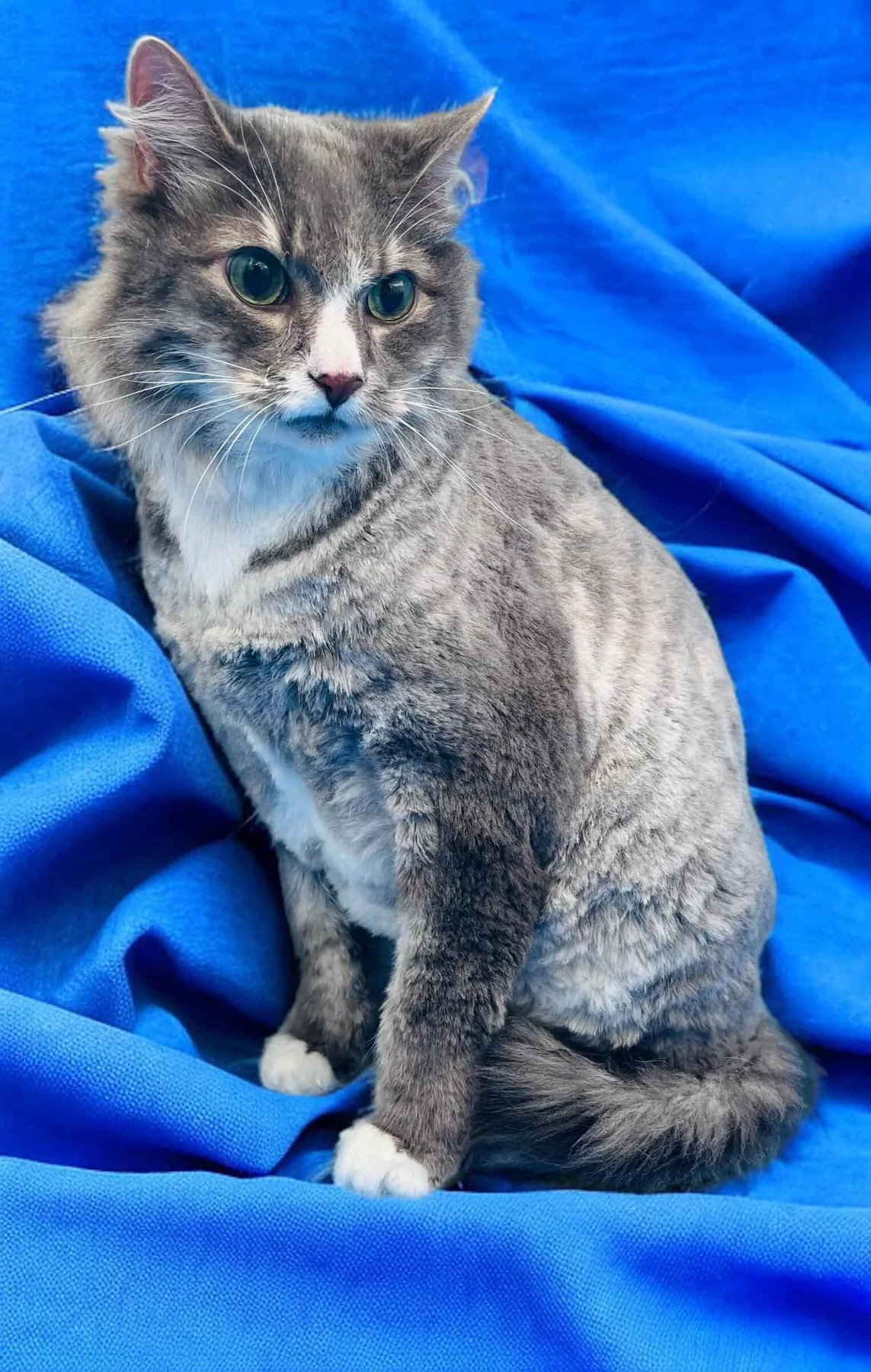
Domestic longhair
Treat coat density and texture as individual traits rather than assuming one standard longhair routine.
Explore this guide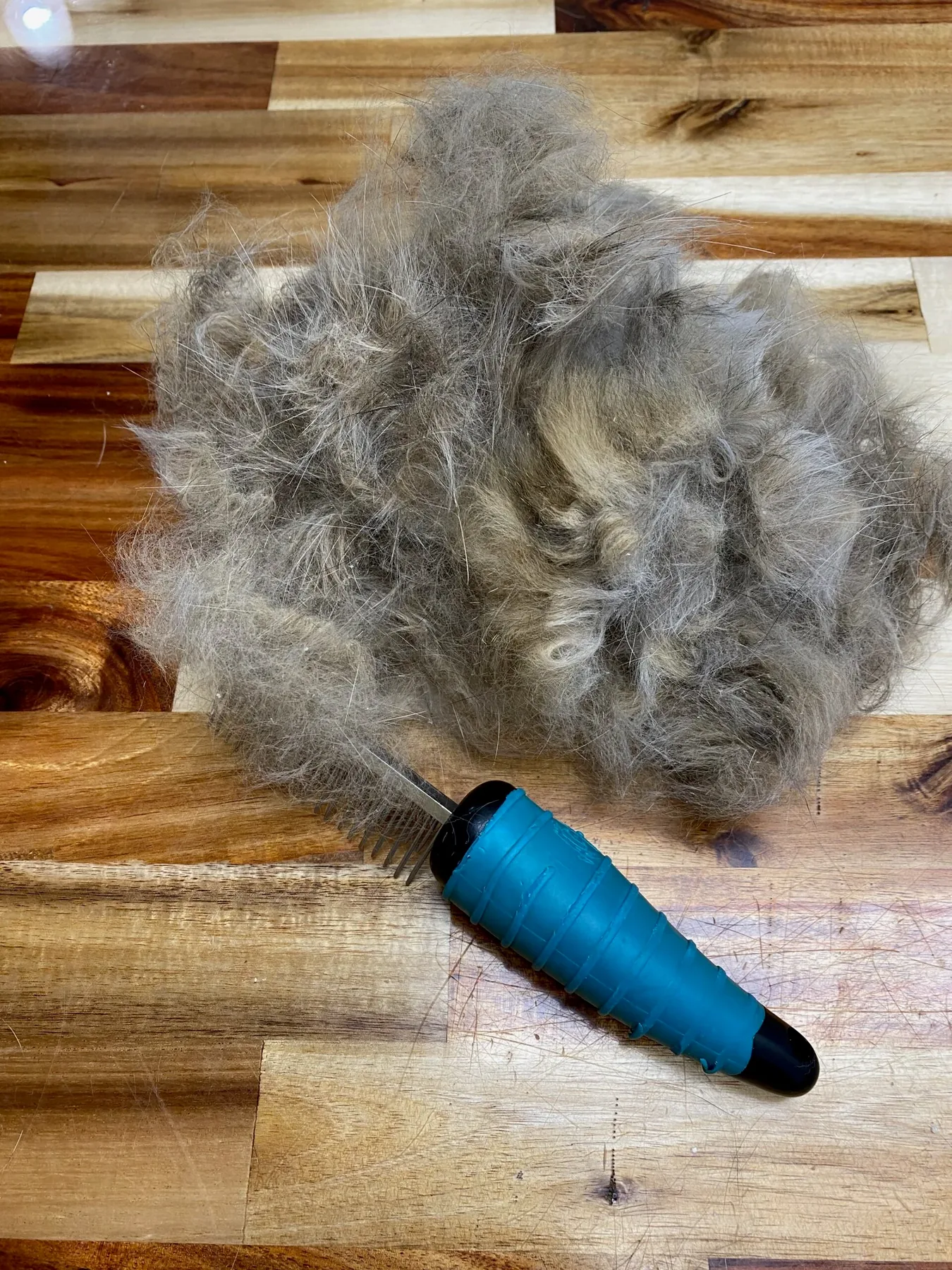
Ragdoll and Siberian types
Watch for seasonal undercoat, friction-area tangles, and coat that can feel smooth above compression.
Explore this guide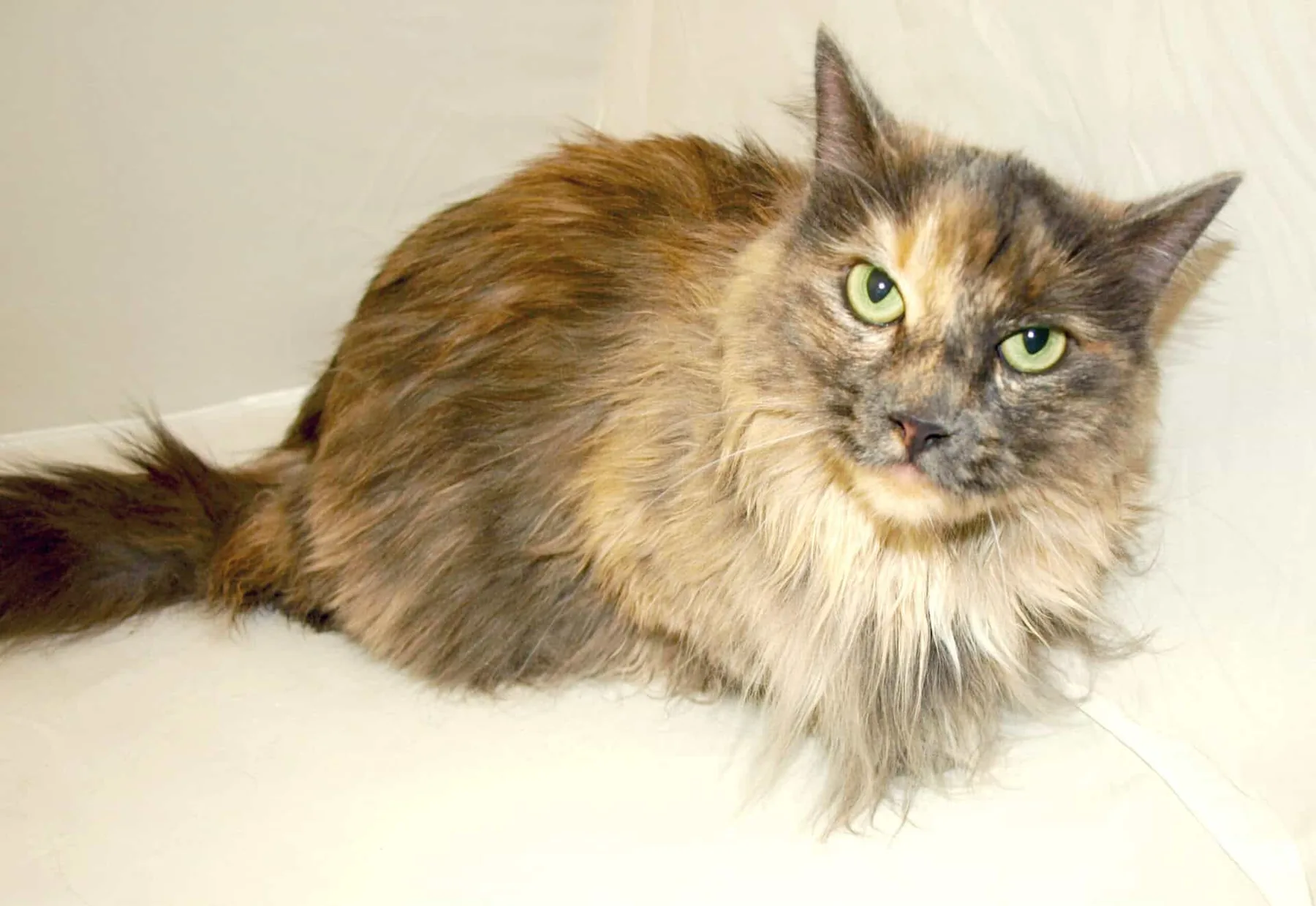
Domestic shorthair
Short coats can still retain dense undercoat, oil, dandruff, and loose hair.
Explore this guide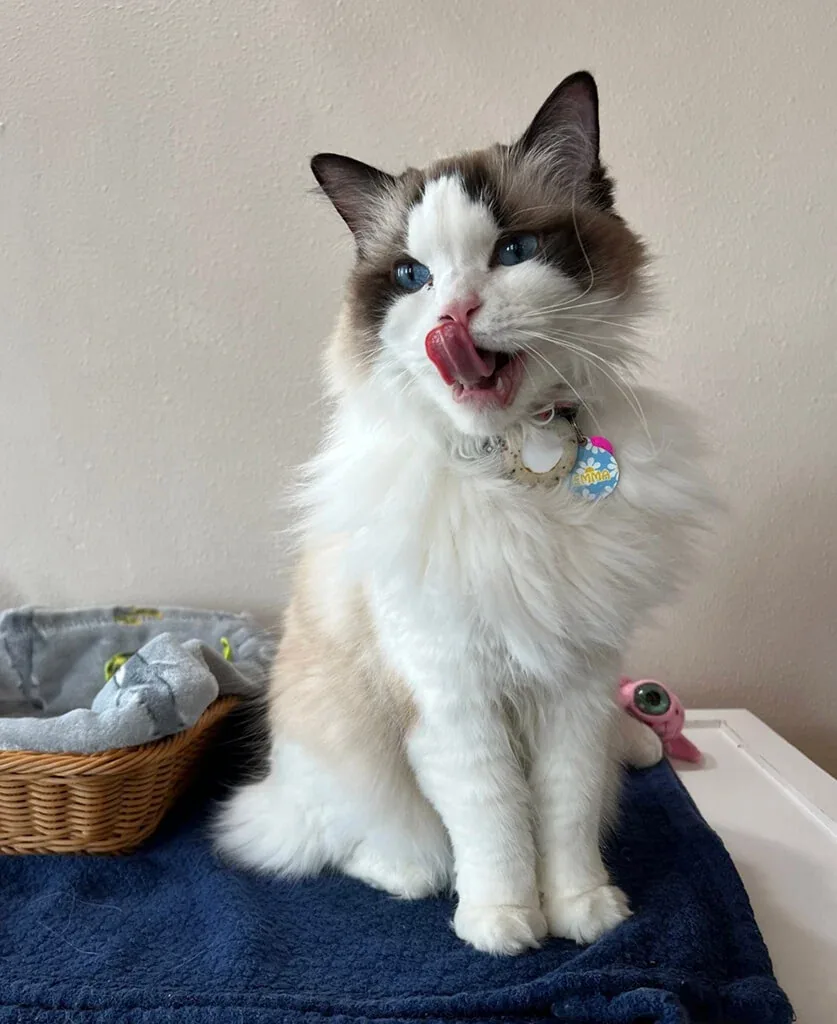
Rex and hairless types
Oil, skin surface care, ears, claws, and individual product tolerance may matter more than coat removal.
Explore this guide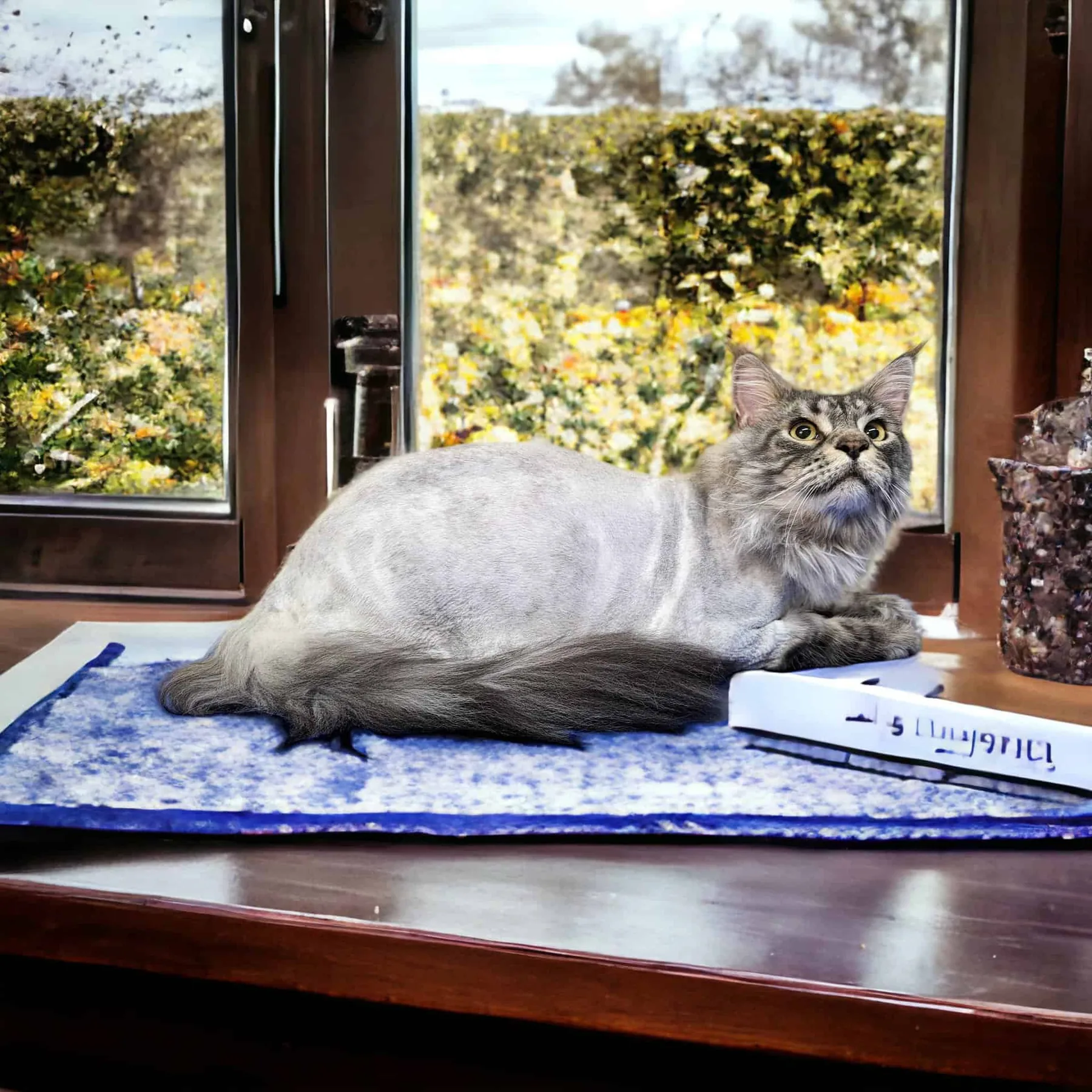
Maintenance versus simplification
Preserving length is not always the most humane or sustainable goal
Long coat may be important to the guardian, but the cat lives inside the daily burden of that coat. When mats recur, hygiene fails, or home care becomes a repeated conflict, shortening can create a functional reset.
A haircut does not mean the guardian failed. It can be a deliberate choice that matches age, mobility, household capacity, and the cat’s tolerance for brushing.
The best long-term plan is one the cat, guardian, and grooming team can actually maintain between appointments.
What happens next
A clear path from concern to care
The goal is not to force every cat through the same appointment. It is to understand the need, choose the least disruptive effective plan, and adjust from what the cat communicates.
- 1
Identify coat density and friction zones
Feel beneath the surface at armpits, chest, belly, hindquarters, and tail base without pulling.
- 2
Match the interval to the fastest-changing area
The whole coat does not need to be in crisis before maintenance is due.
- 3
Revisit the plan as the cat ages
A routine that worked at age four may no longer fit at age fourteen.
Common questions
Questions guardians ask before booking
These answers are educational and cannot replace veterinary evaluation when a medical problem is suspected.
Does every long-haired cat need professional grooming?
No, but many benefit when coat density, family capacity, age, or handling makes full maintenance difficult at home.
Are Maine Coons supposed to be shaved?
There is no universal breed rule. The decision should consider coat condition, hygiene, matting, climate, health, tolerance, and maintenance feasibility.
Do short-haired cats need deshedding?
Some do. Coat length does not determine undercoat density, oil, dandruff, or the volume of loose hair retained near the skin.
Keep exploring
Related grooming routes
Move from the concern you can see to the service, handling approach, or local clinic most likely to help.
Phase 2 deep routes
Explore 4 focused guides
These pages begin with a specific service, body area, coat change, handling barrier, or decision. Each route links back to Cats in the City for the deeper care system and booking.
Next step
Ready to choose a grooming starting point?
Appointments are provided by Cats in the City at its Powell and Beaverton feline-care locations.