
Dense fine coat and daily hygiene
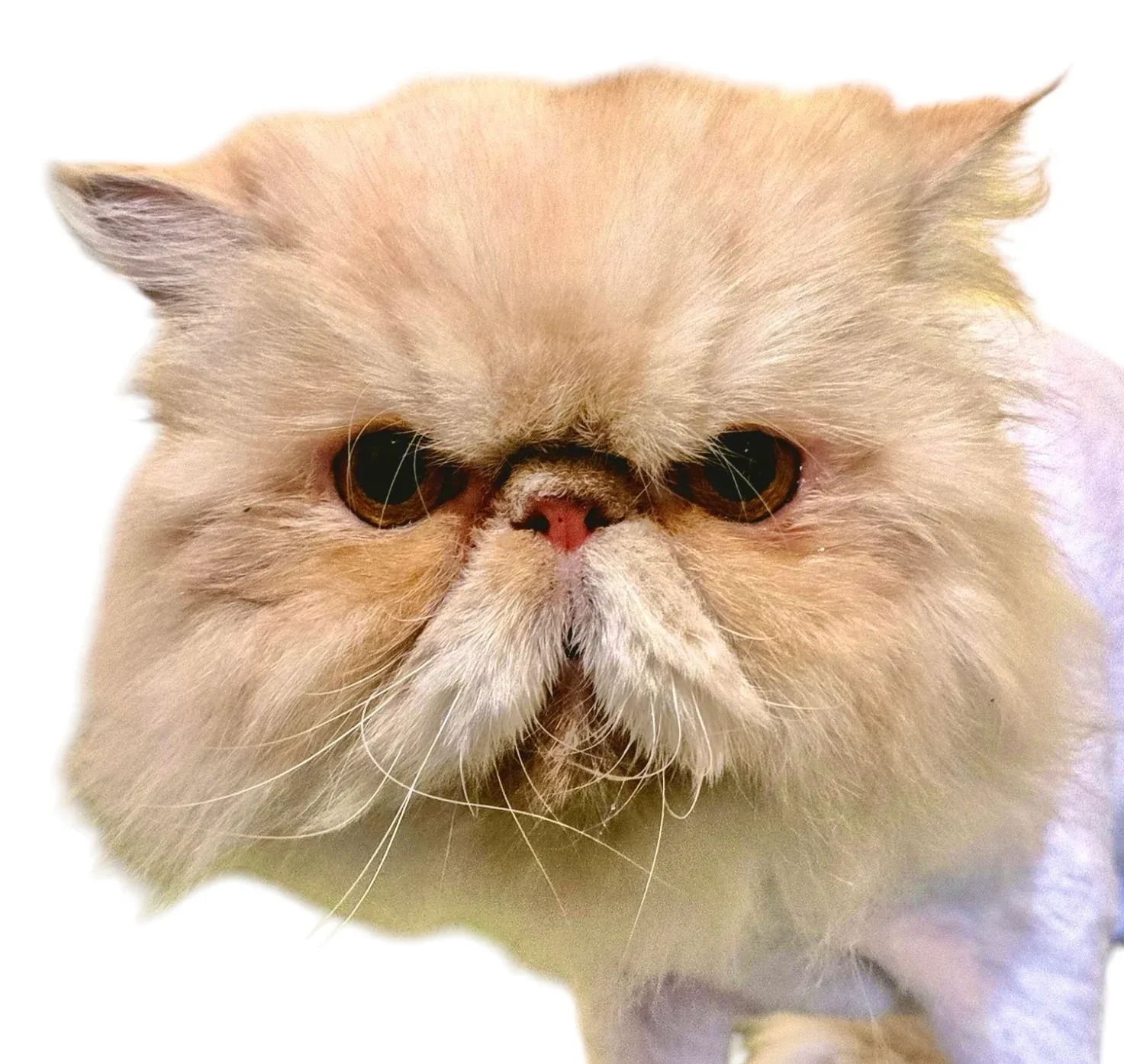
Persian coats can move from silky to fused with very little visible warning.
Professional Persian grooming may combine bathing, degreasing, drying, face hygiene, undercoat release, sanitary care, mat removal, and a sustainable coat length.
Start here
Why Persian grooming is unusually maintenance-sensitive
Dense fine hair collects oil, moisture, food, eye discharge, litter, and loose undercoat. Small tangles can connect rapidly, especially when daily combing misses the coat base.
Bathing and degreasing
Separate oily coat so drying and combing do not rely on pulling through clumped hair.
Explore this guide
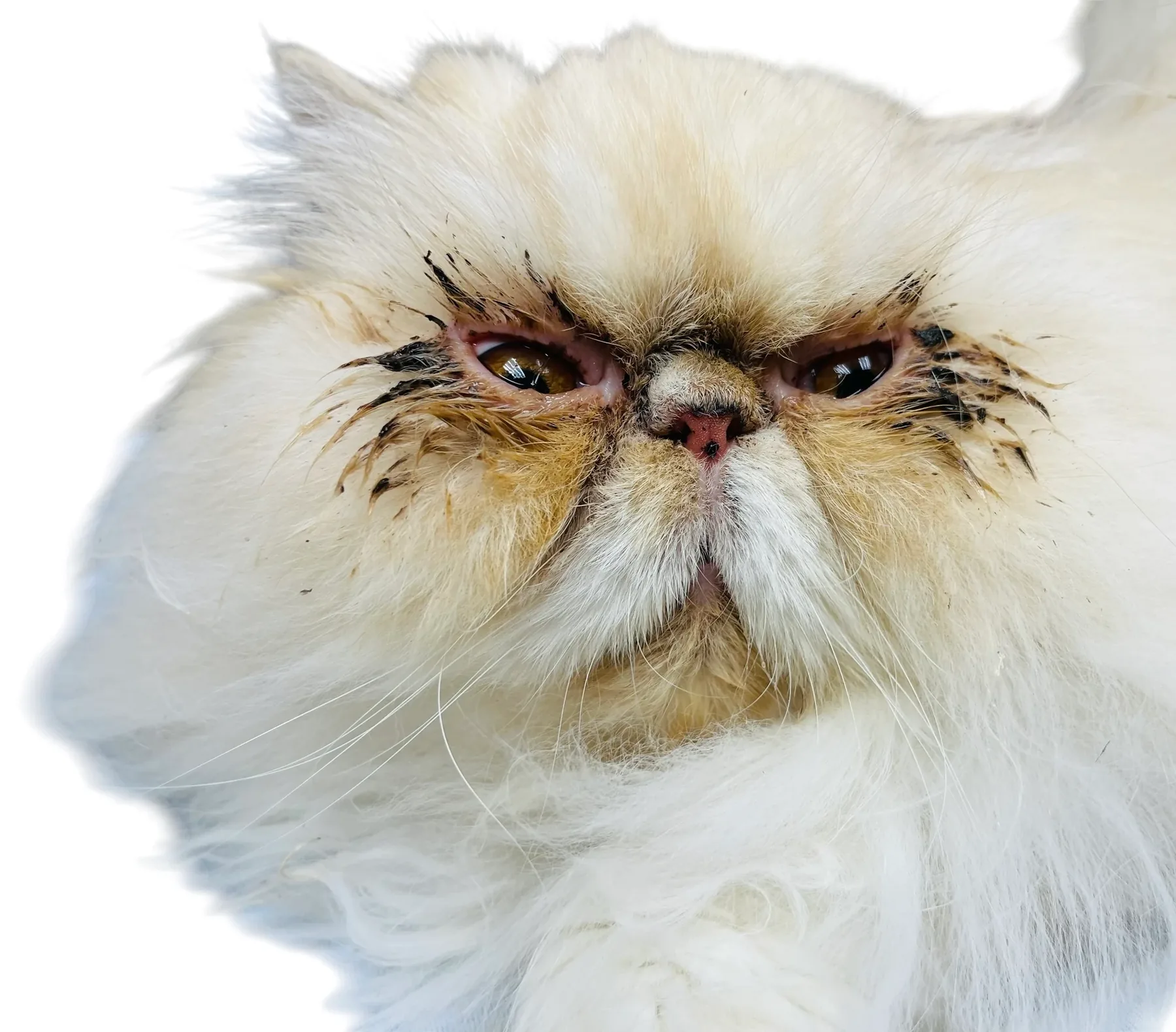
Face and eye-area hygiene
Clean surface debris carefully while referring persistent discharge or irritation to a veterinarian.
Explore this guide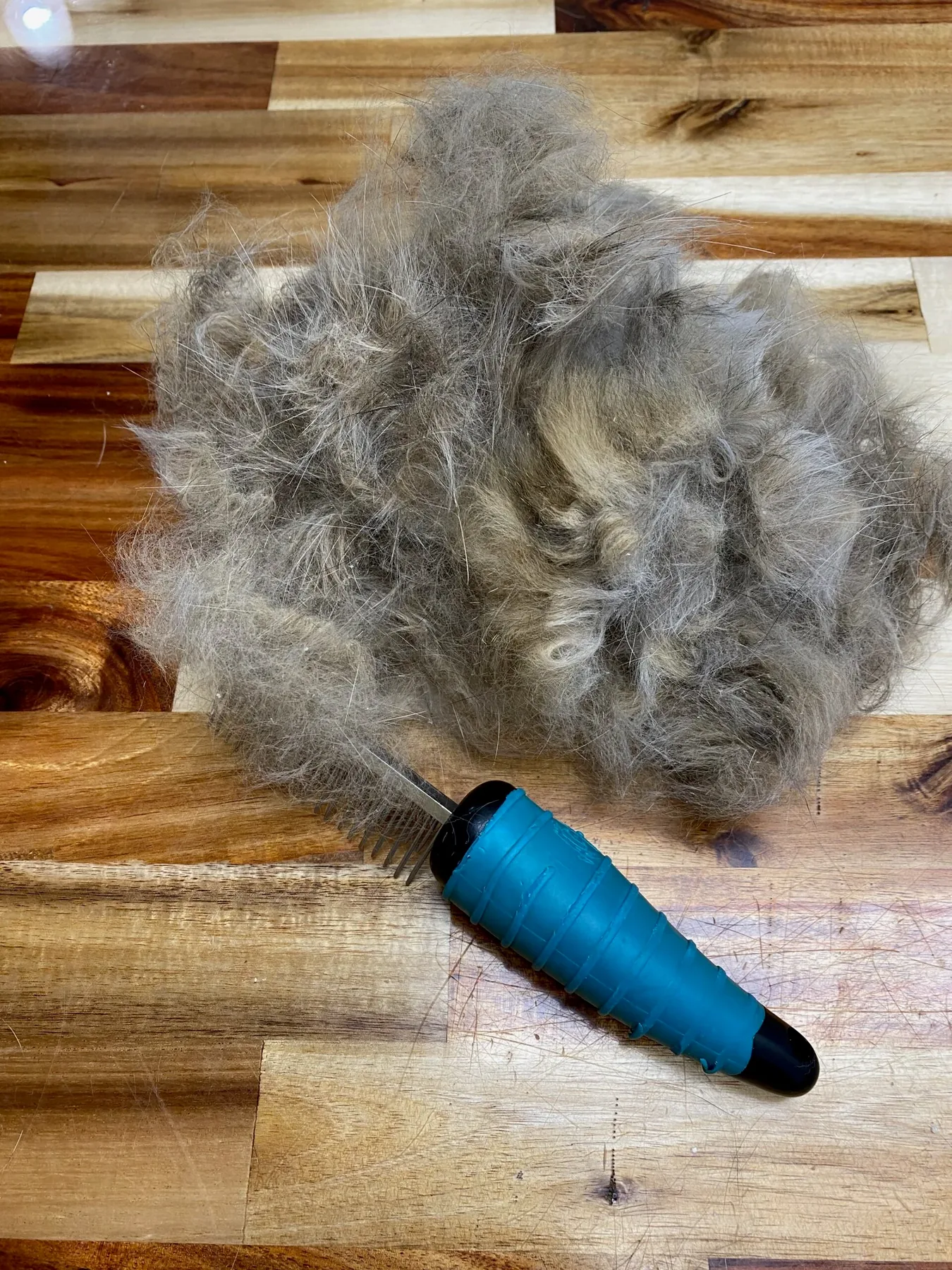
Undercoat release
Remove density beneath the outer coat before friction areas begin to connect.
Explore this guide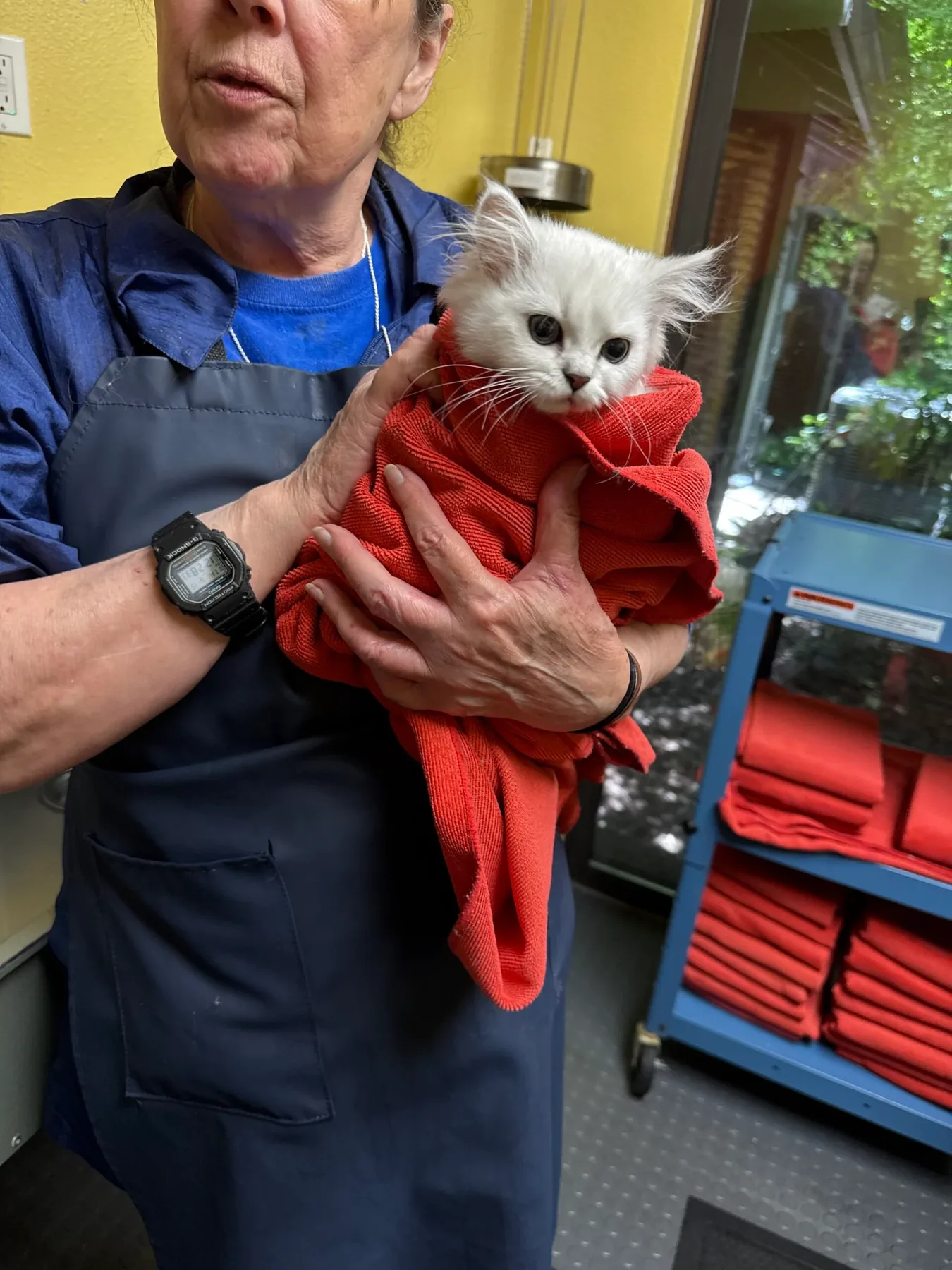
Sanitary care
Shorten coat vulnerable to litter, urine, and stool contamination.
Explore this guide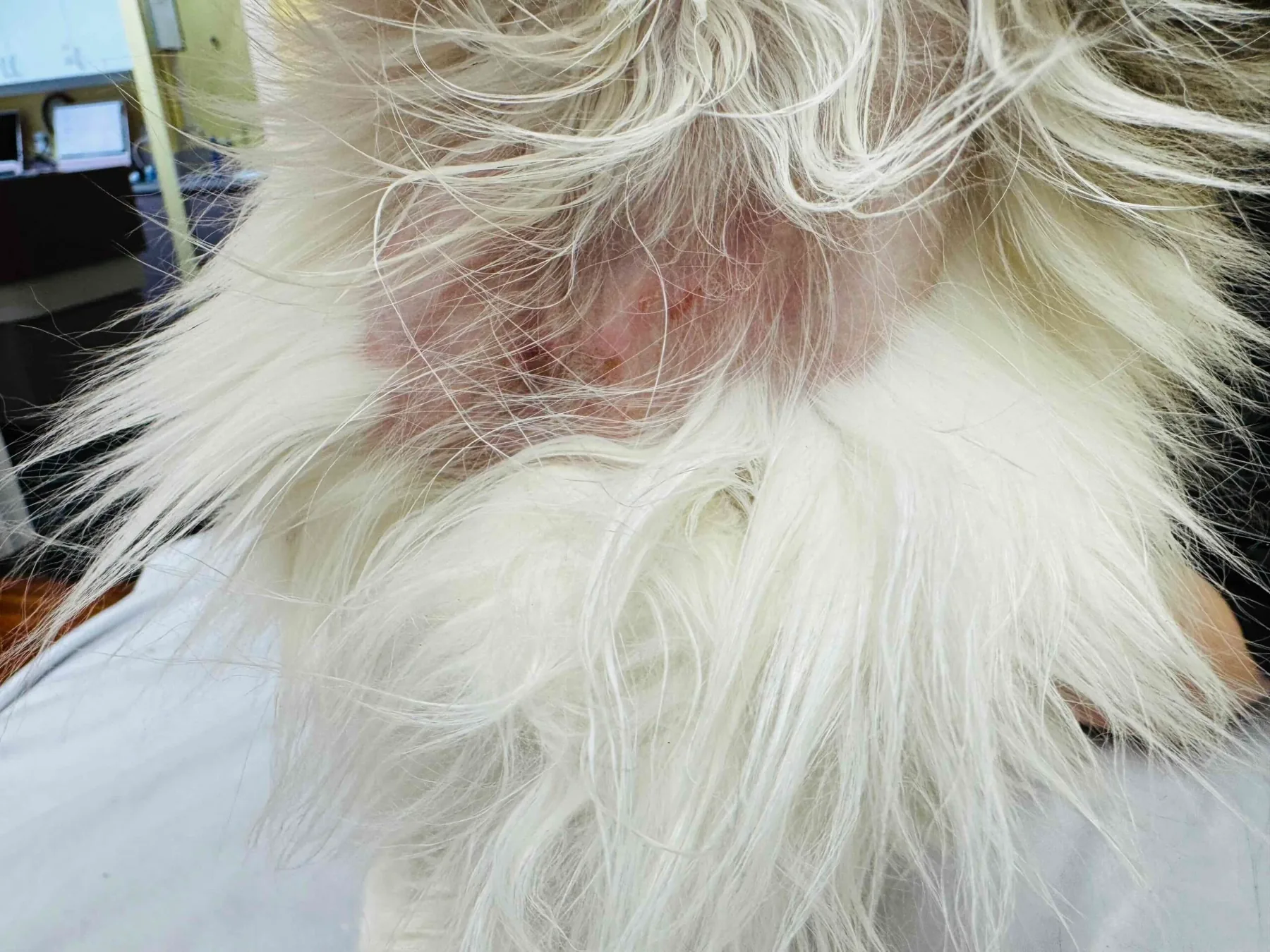
Mat removal
Clip fused areas when combing would create skin tension or prolonged distress.
Explore this guide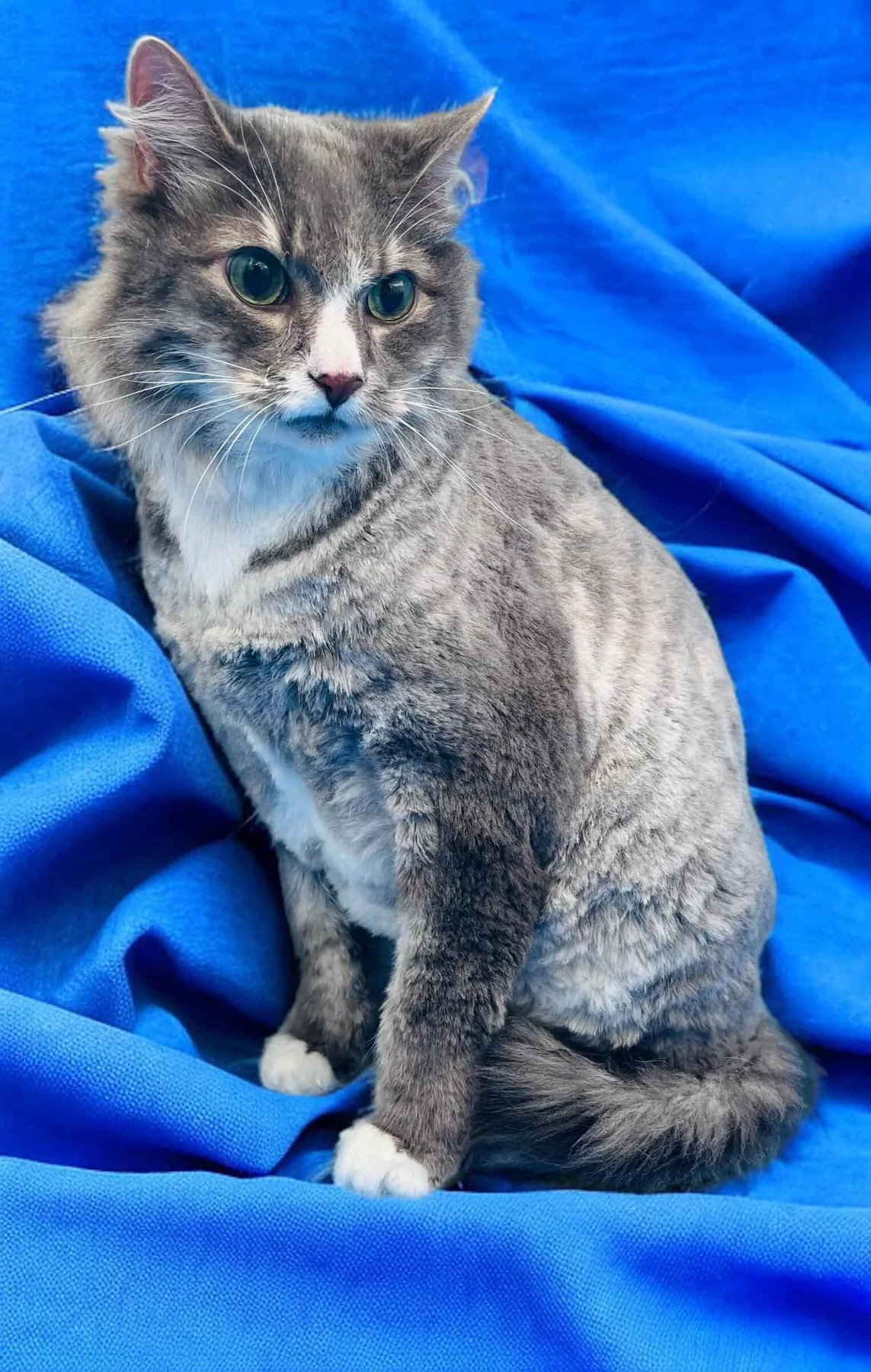
Coat simplification
Choose a shorter finish when daily maintenance is not sustainable for the cat or household.
Explore this guideWhat the surface can hide
Fine coat can hold oil and compression underneath length
A Persian may appear fluffy while the coat at the skin is greasy, compacted, or divided into connected sections. Bathing can reveal and release this structure more effectively than dry combing alone.
Face, chest, armpits, belly, hindquarters, and tail are common areas where moisture and friction accelerate tangling.
A shorter coat may be the most stable solution for a cat who cannot tolerate frequent combing or whose guardian cannot reliably reach the coat base.
What happens next
A clear path from concern to care
The goal is not to force every cat through the same appointment. It is to understand the need, choose the least disruptive effective plan, and adjust from what the cat communicates.
- 1
Use a metal comb rather than surface-only brushing
The comb should reach the coat base without dragging the skin.
- 2
Treat oil and moisture as matting contributors
Clean coat separates more reliably and reveals what can be maintained.
- 3
Choose an interval before the coat reconnects
Persian maintenance often succeeds through frequency rather than intensity.
Common questions
Questions guardians ask before booking
These answers are educational and cannot replace veterinary evaluation when a medical problem is suspected.
How often should a Persian be groomed?
Many Persians need frequent home combing and regular professional bathing, drying, and coat release. The exact interval depends on coat, health, and tolerance.
Should a Persian be shaved?
Not automatically. Clipping is appropriate when matting, contamination, health, or maintenance burden makes it the least burdensome effective option.
Can eye staining be cured by grooming?
Grooming can clean surface debris, but persistent tearing, discharge, redness, odor, or discomfort requires veterinary evaluation.
Keep exploring
Related grooming routes
Move from the concern you can see to the service, handling approach, or local clinic most likely to help.
Next step
Ready to choose a grooming starting point?
Appointments are provided by Cats in the City at its Powell and Beaverton feline-care locations.