
Grooming across the lifespan
The best first grooming lesson is not “hold still.” It is “care can change when I communicate.”
Introduce kittens gradually, maintain adult coats before crisis, and adapt senior and geriatric grooming as mobility, health, and self-care change.
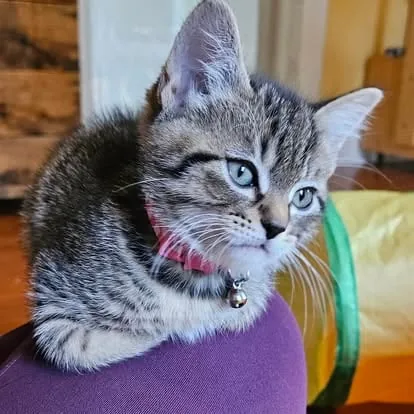
Start here
What changes by life stage
The technical tasks may look similar, but the purpose, duration, learning history, and physical support should change as the cat develops and ages.
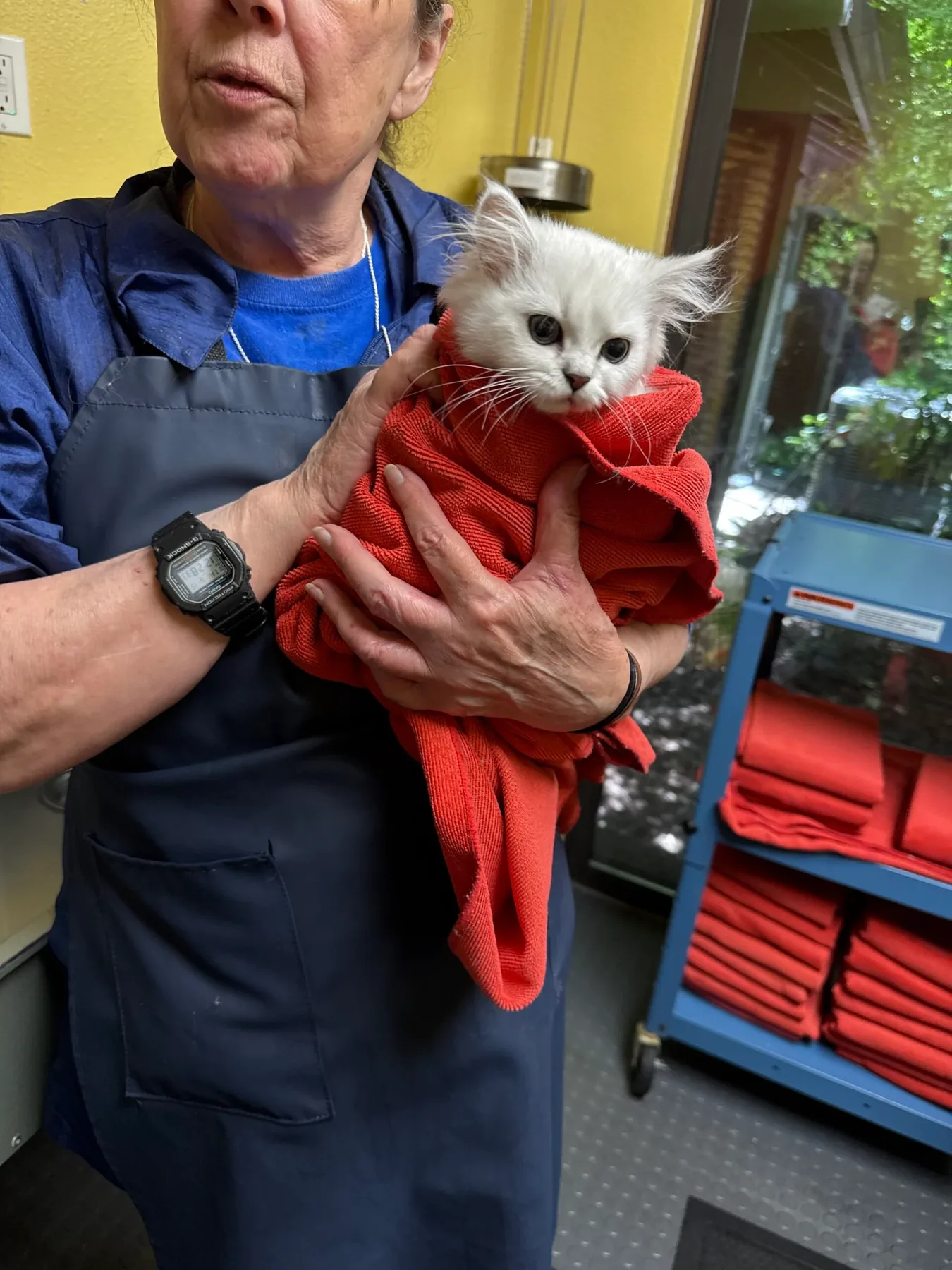
Kittens
Introduce touch, table surfaces, water, towels, sound, drying, claws, and brief coat care in manageable doses.
Explore this guide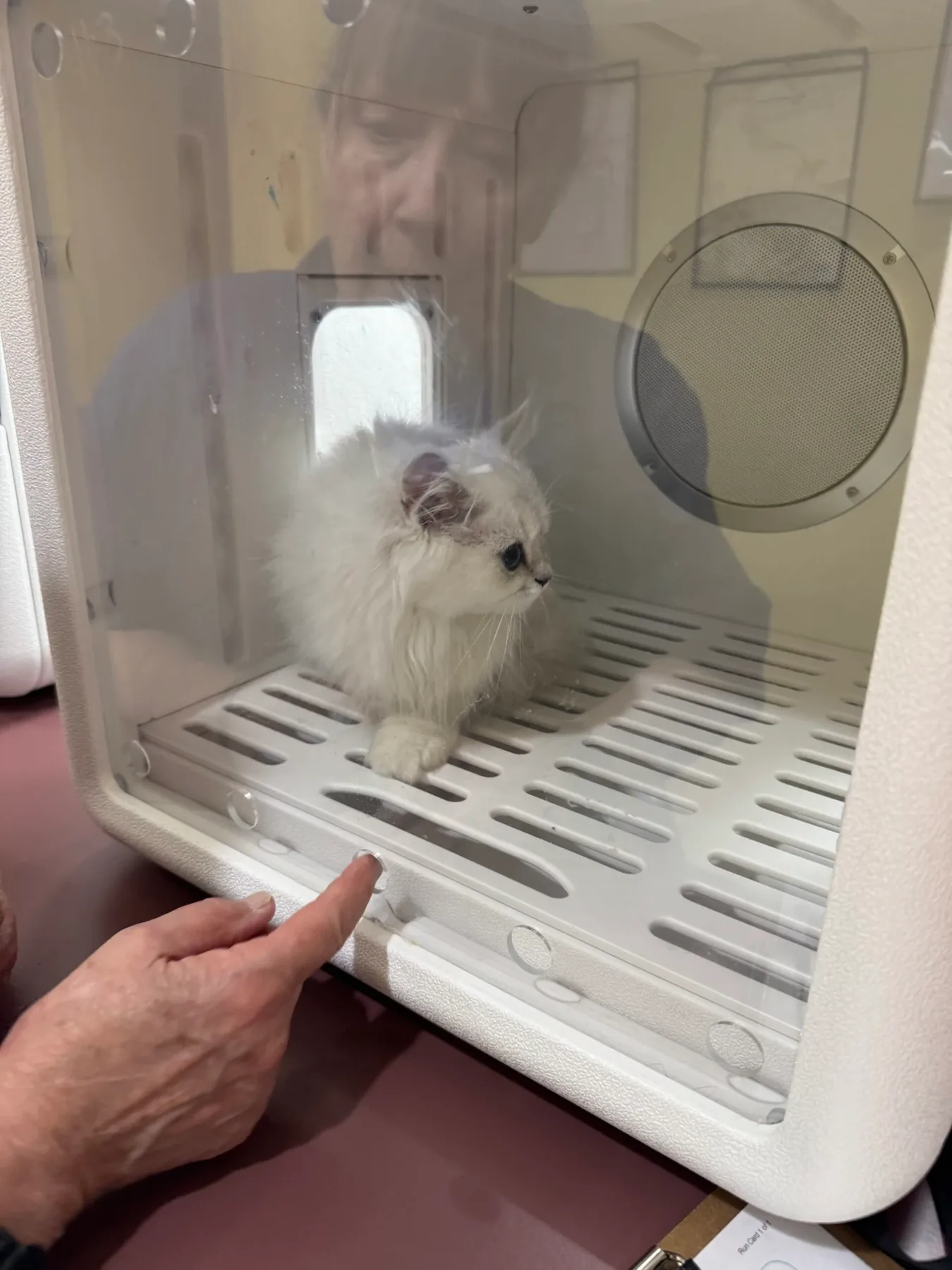
Adolescents
Maintain familiarity through rapid body and coat changes without turning grooming into a restraint contest.
Explore this guide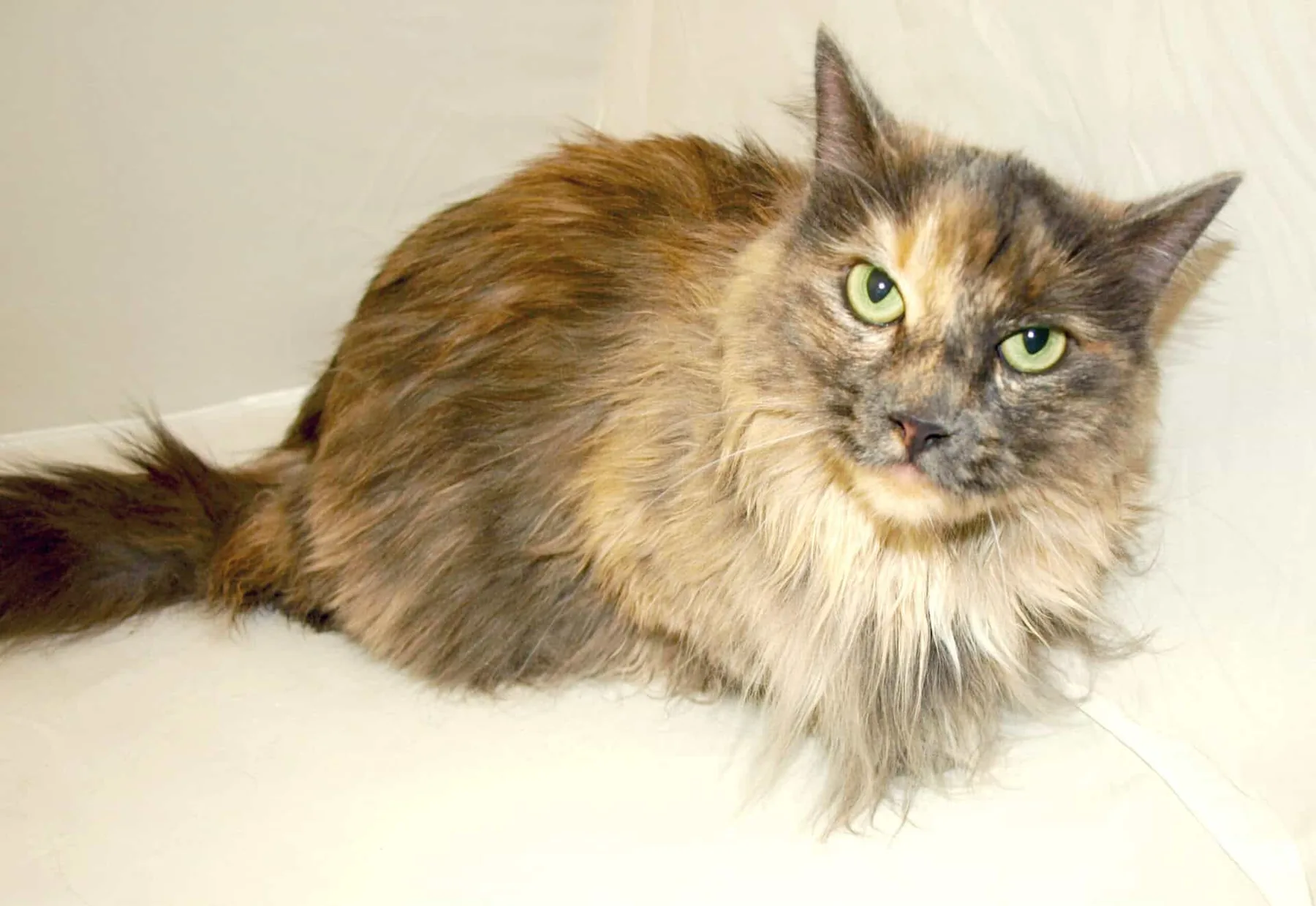
Healthy adults
Use planned maintenance to prevent undercoat retention, oil, matting, and claw overgrowth.
Explore this guide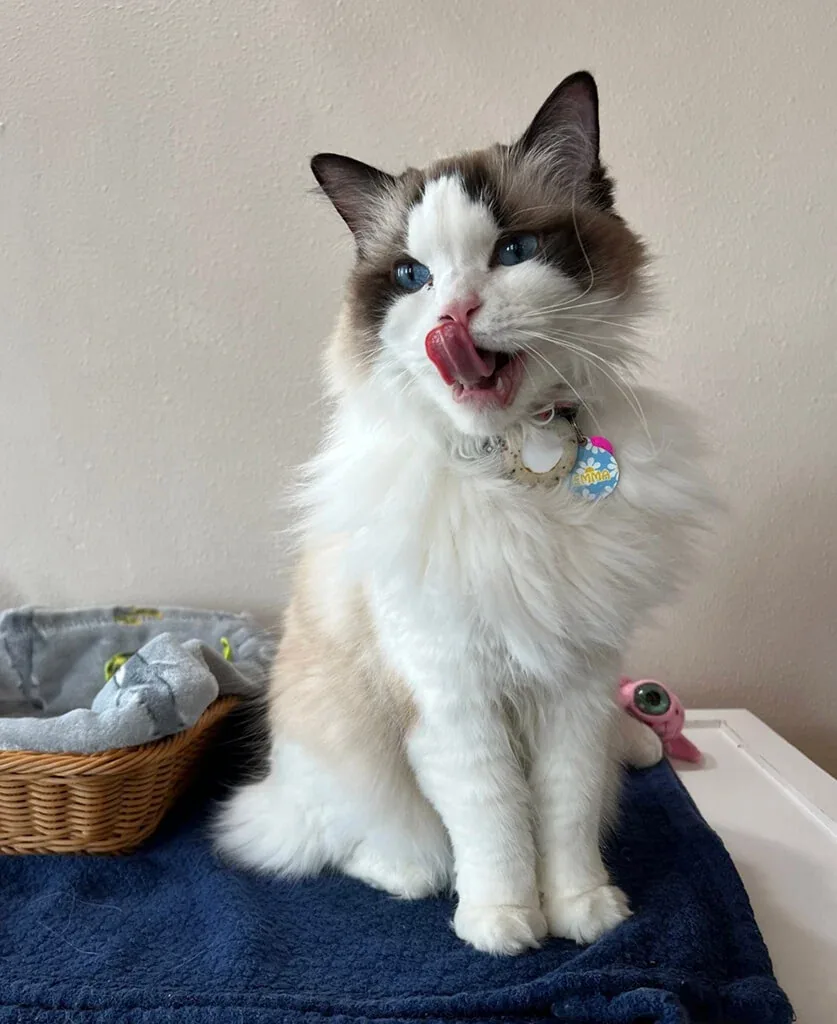
Midlife changes
Notice weight, dental health, pain, coat oil, dandruff, and declining reach before major coat collapse.
Explore this guide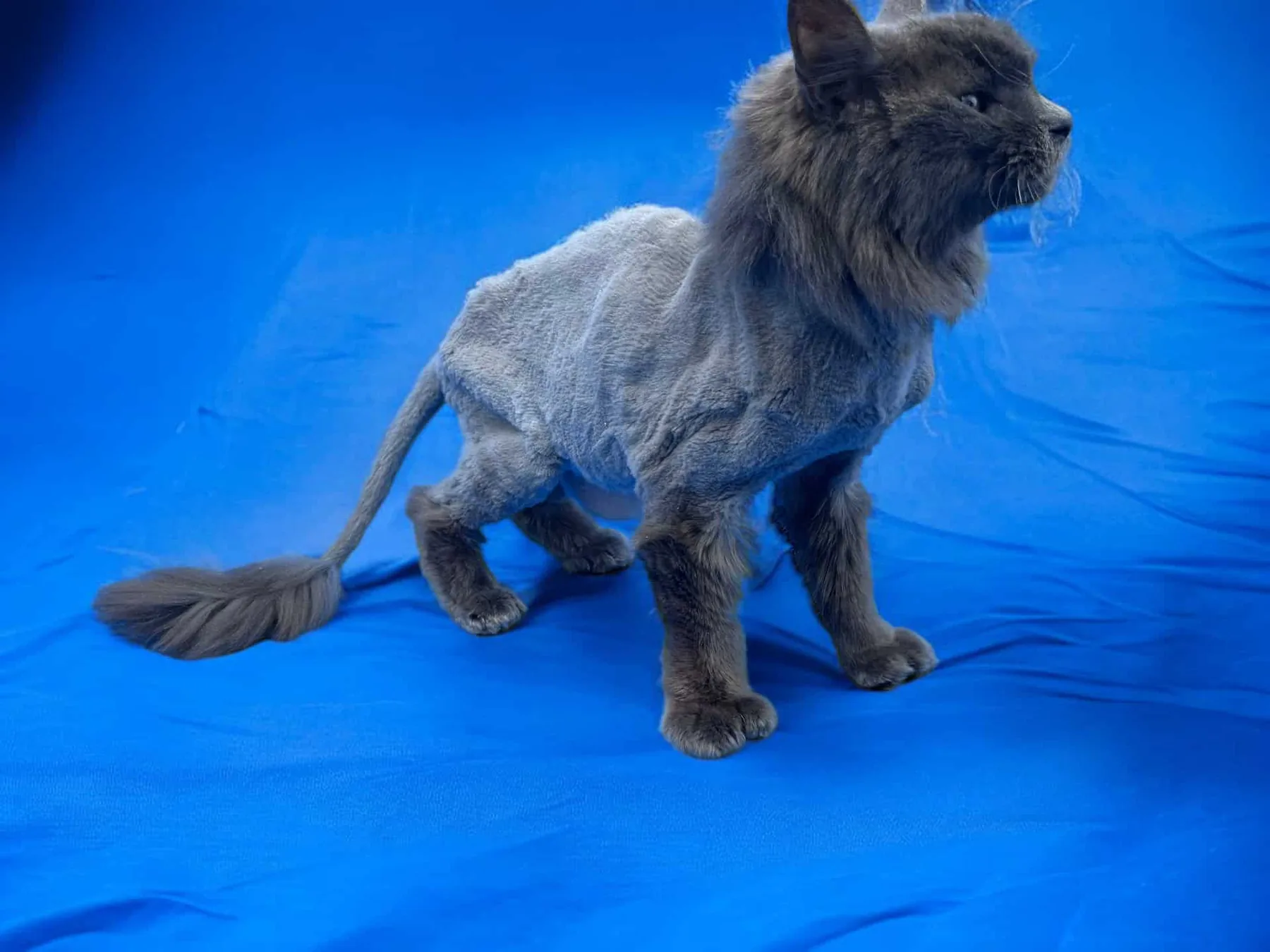
Seniors
Adjust position, duration, coat length, hygiene goals, and claw monitoring.
Explore this guide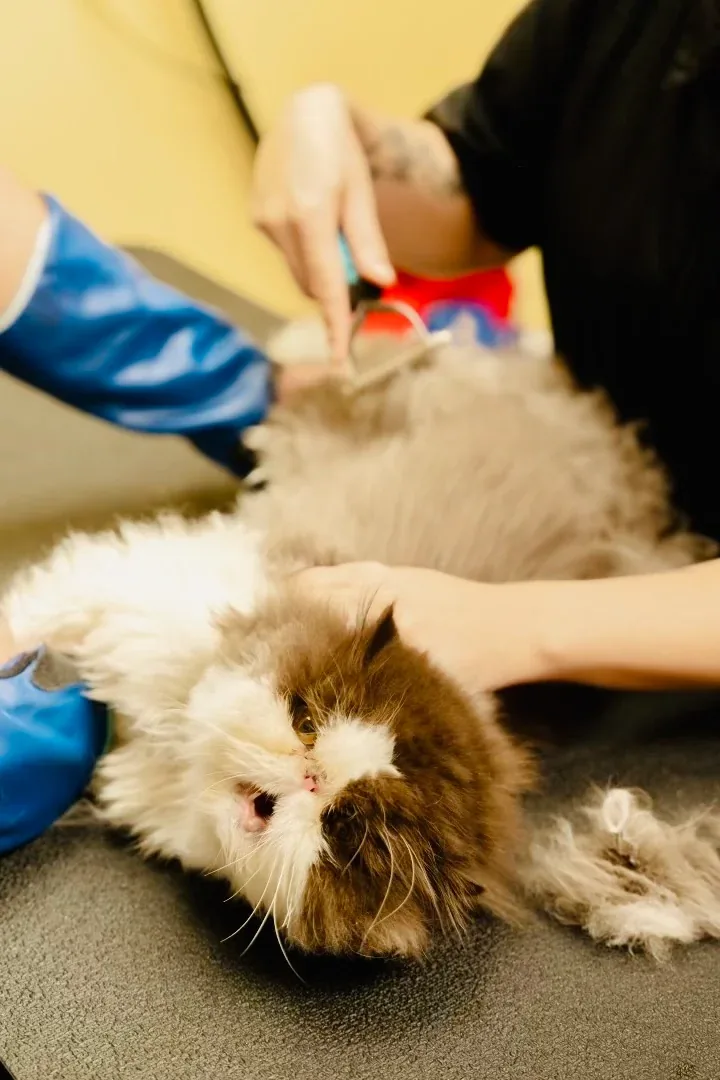
Geriatric and palliative care
Prioritize comfort, cleanliness, movement, and the smallest effective intervention.
Explore this guideLearning history matters
A kitten is building predictions about future care
Every early appointment teaches the kitten what human hands, grooming tools, water, airflow, and unfamiliar surfaces mean. The lesson can be safety and responsiveness, or it can be loss of control.
A short introduction may be more valuable than insisting on a complete adult-style service. Repetition across development creates familiarity without relying on force.
As cats age, that same principle remains: the care plan should respond to what the body can do now, not demand the performance it managed years ago.
What happens next
A clear path from concern to care
The goal is not to force every cat through the same appointment. It is to understand the need, choose the least disruptive effective plan, and adjust from what the cat communicates.
- 1
Begin before there is an urgent problem
Routine claws, combing, a small hygiene trim, or a gentle bath can establish familiarity.
- 2
Repeat manageable experiences
One perfect early appointment matters less than a pattern of care that remains predictable and responsive.
- 3
Update the plan as the body changes
Age, coat, weight, pain, illness, and tolerance should be reviewed rather than assumed stable.
Common questions
Questions guardians ask before booking
These answers are educational and cannot replace veterinary evaluation when a medical problem is suspected.
When should a kitten first be groomed?
A gentle introduction can begin once the kitten is medically ready and appropriately vaccinated for the environment. The exact timing should fit veterinary guidance and the service setting.
Does early grooming guarantee an easy adult cat?
No. It can improve familiarity, but genetics, health, pain, environment, and later experiences also shape behavior.
Should senior cats keep the same routine they had as adults?
Not automatically. The interval may need to become more frequent while each appointment becomes shorter or more targeted.
Keep exploring
Related grooming routes
Move from the concern you can see to the service, handling approach, or local clinic most likely to help.
Next step
Ready to choose a grooming starting point?
Appointments are provided by Cats in the City at its Powell and Beaverton feline-care locations.