
Routine trims and hidden overgrowth
A claw can look ordinary from above while curving into the paw below.
Learn the difference between routine nail care, thickened senior claws, retained sheaths, overgrowth, suspected ingrown claws, and paw findings that need veterinary treatment.
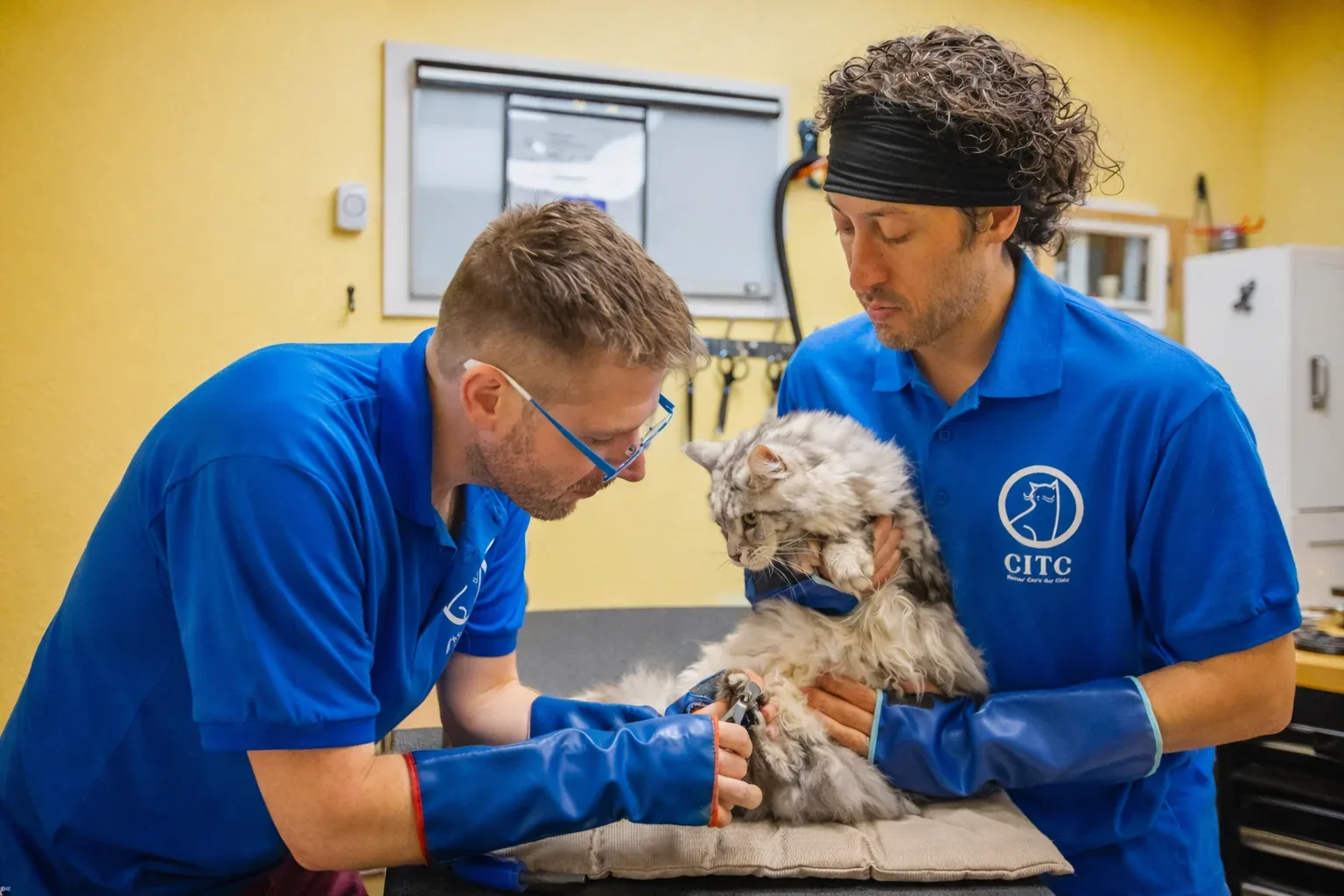
Start here
What changes a claw appointment
Age, mobility, scratching behavior, claw thickness, previous handling, and whether the paw pad is already affected all determine the level of care and urgency.
Routine claw trim
Shorten healthy claws before they snag, split, or interfere with household surfaces.
Explore this guide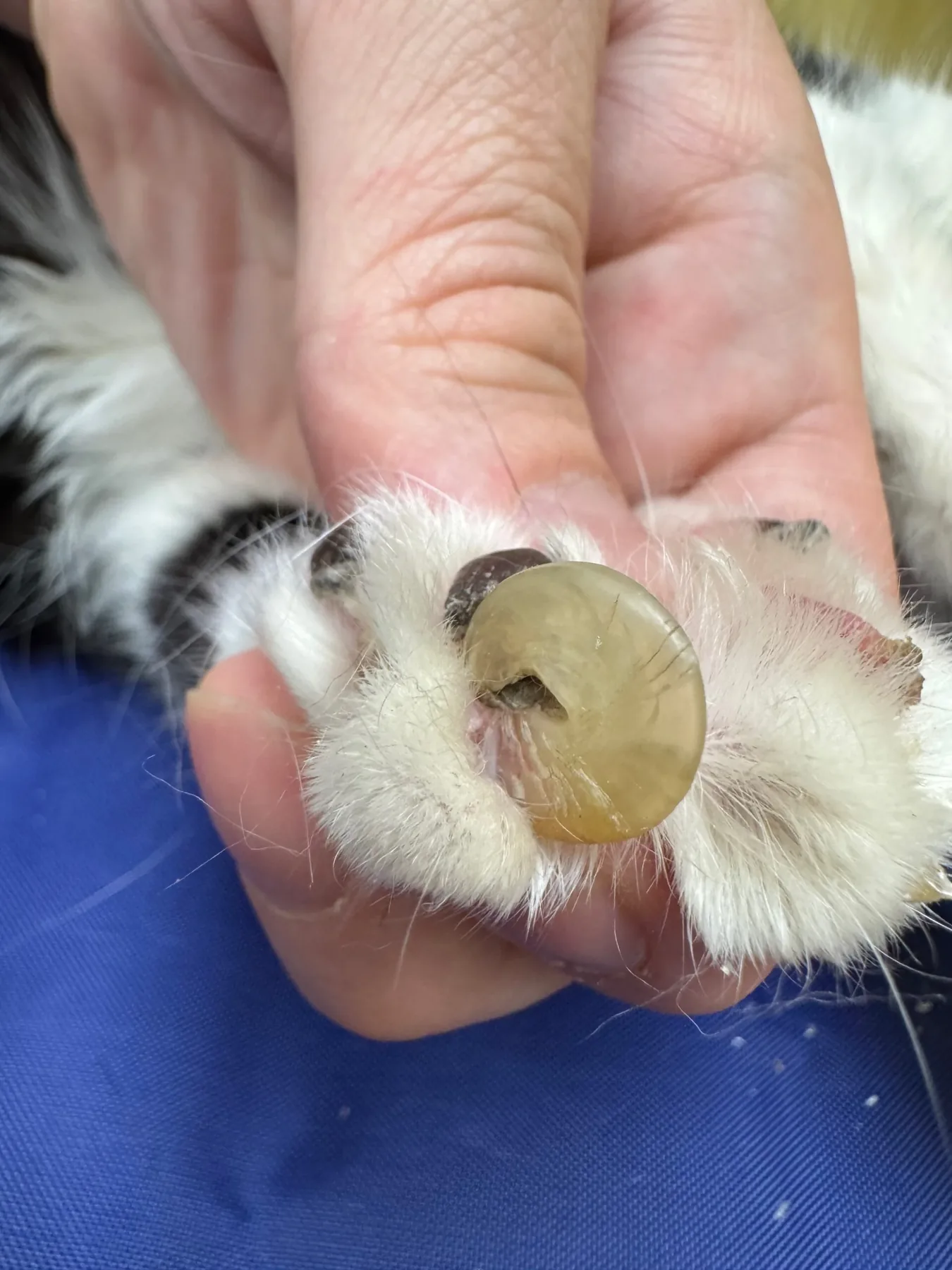
Thick senior claws
Remove length carefully when claws have become wider, layered, or difficult to shed.
Explore this guide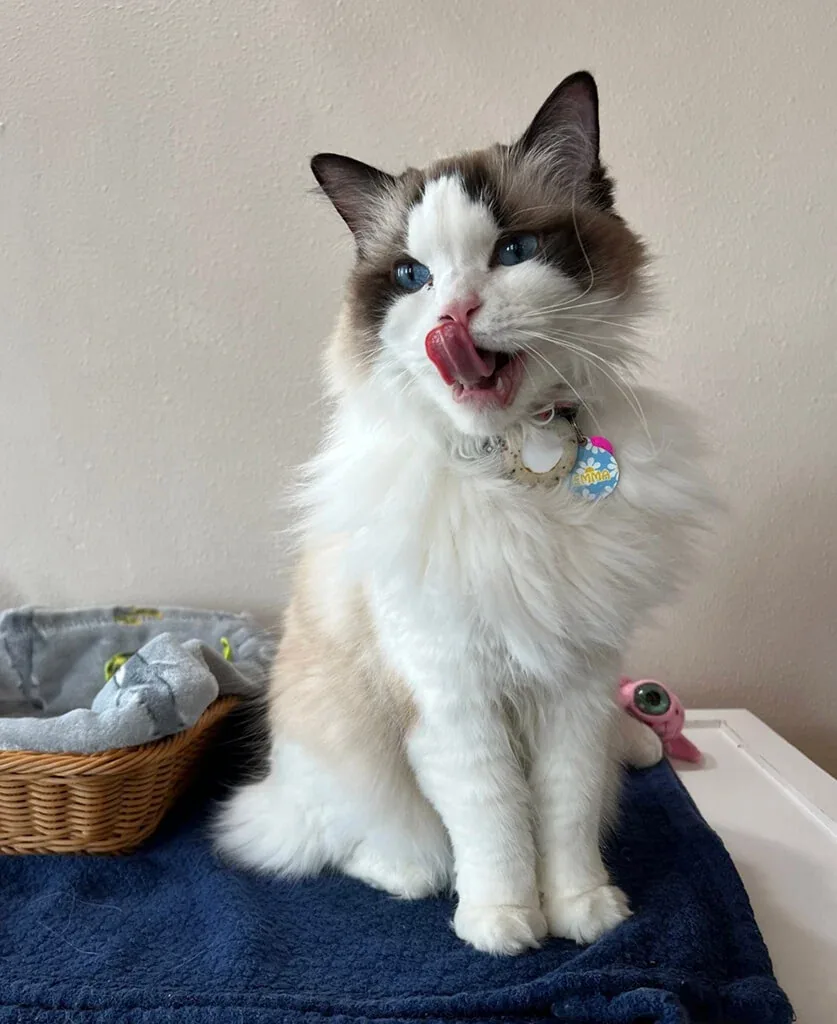
Retained claw sheaths
Identify layers that have not shed normally without confusing them with the living claw.
Explore this guideOvergrown or curling claws
Shorten before the tip contacts or penetrates the paw pad.
Explore this guide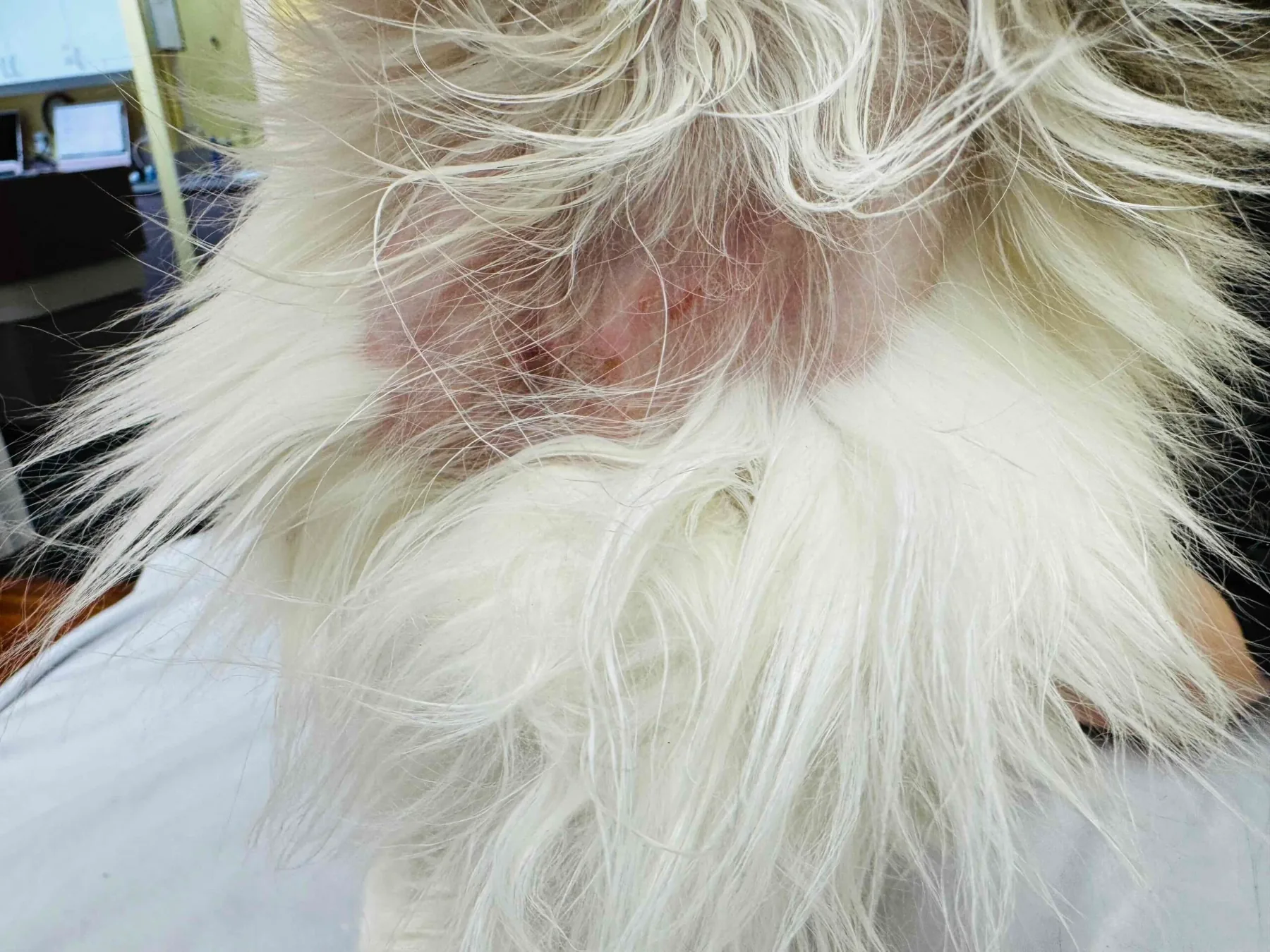
Suspected ingrown claw
Assess visibility and severity, then route medical tissue damage or infection for veterinary care.
Explore this guideMobile claw service
For routine maintenance outside a full groom, use the City Cat Claws service route.
Explore this guideWhy routine matters
Claw overgrowth can become a mobility and tissue problem
Cats may stop shedding and wearing claws normally because of age, arthritis, reduced scratching, altered gait, illness, or limited activity.
Long claws change how paws contact surfaces and can snag. Once a claw curves into the pad, the problem may involve a wound, inflammation, infection, and pain—not simply excess length.
Regular checks are especially important for dewclaws and senior cats because those claws may not contact scratching surfaces enough to wear.
What happens next
A clear path from concern to care
The goal is not to force every cat through the same appointment. It is to understand the need, choose the least disruptive effective plan, and adjust from what the cat communicates.
- 1
Check every claw, including dewclaws
Look from the paw-pad side rather than judging only the visible tip.
- 2
Use an interval the cat can sustain
Short routine visits may be easier than waiting until restraint and tissue risk increase.
- 3
Escalate tissue findings appropriately
Grooming can shorten a claw and document what is visible; veterinary care addresses wounds, infection, pain control, and medical causes.
Common questions
Questions guardians ask before booking
These answers are educational and cannot replace veterinary evaluation when a medical problem is suspected.
How often should cat claws be trimmed?
Frequency varies with age, activity, claw growth, scratching, and health. Many cats benefit from checks every few weeks.
Can a groomer remove an ingrown claw?
Scope depends on whether the issue is excess length alone or involves tissue injury, bleeding, infection, or pain. Veterinary care may be required.
Why are my senior cat’s claws so thick?
Reduced sheath shedding, lower activity, altered scratching, and age-related changes can contribute. A veterinarian should evaluate sudden or painful changes.
Keep exploring
Related grooming routes
Move from the concern you can see to the service, handling approach, or local clinic most likely to help.
Phase 2 deep routes
Explore 4 focused guides
These pages begin with a specific service, body area, coat change, handling barrier, or decision. Each route links back to Cats in the City for the deeper care system and booking.
Next step
Ready to choose a grooming starting point?
Appointments are provided by Cats in the City at its Powell and Beaverton feline-care locations.