
The main service guide
Professional cat grooming, built for cats—not adapted from dog grooming.
Understand what a full appointment can include, how the plan changes by cat, and why feline-only staffing and equipment matter.
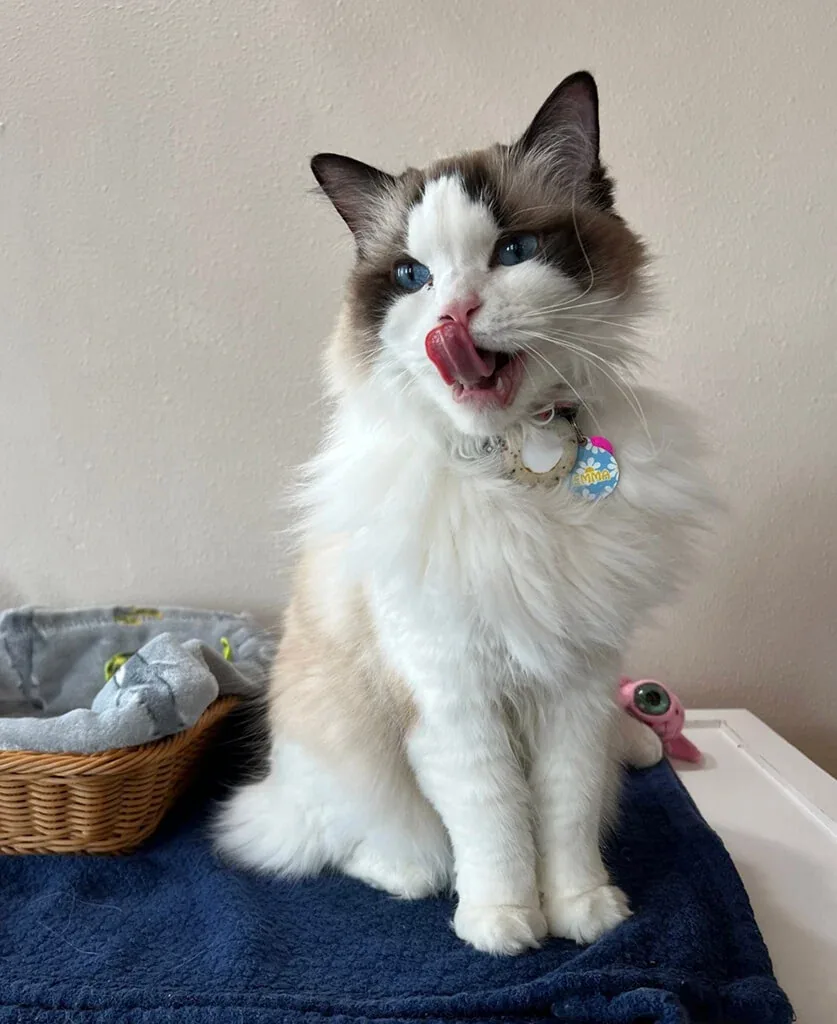
Start here
What professional cat grooming may include
The right combination depends on coat type, coat condition, age, mobility, hygiene, temperament, and the guardian’s goals. Not every cat needs every component.
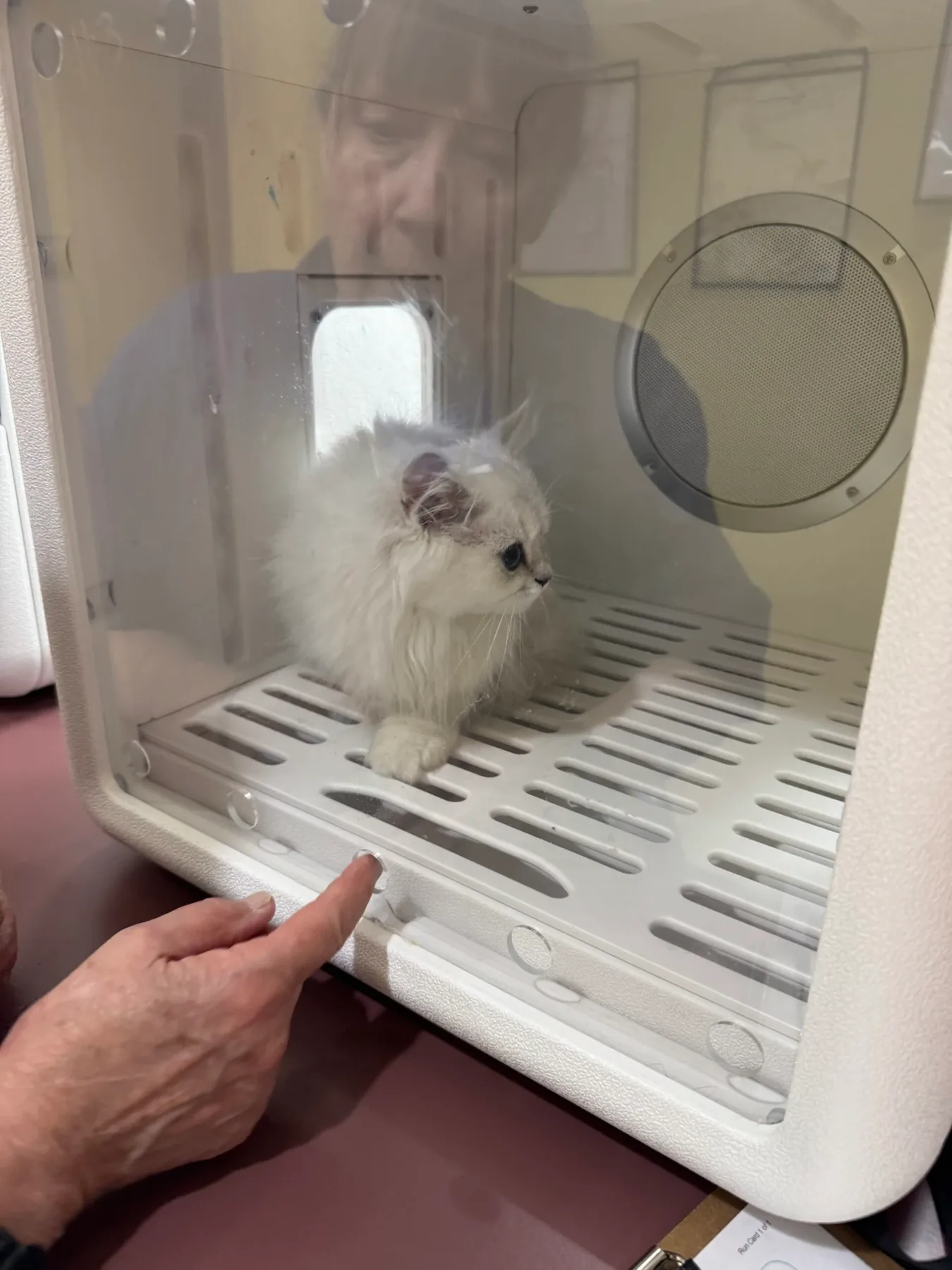
Bathing and drying
Clean the coat and skin surface, reduce oil and debris, and dry with feline-appropriate methods.
Explore this guide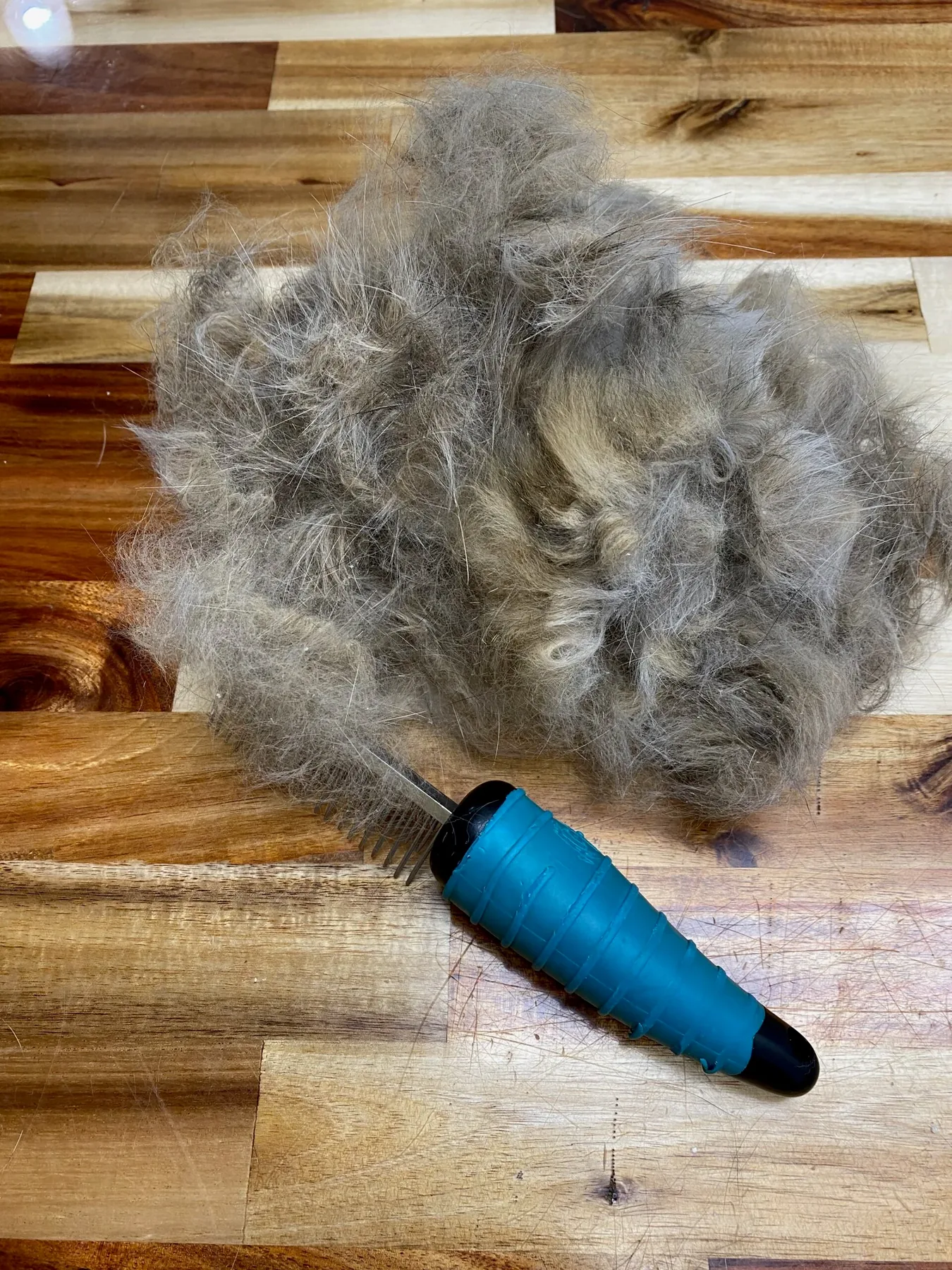
Deshedding
Release retained undercoat and reduce density without relying on aggressive repetitive brushing.
Explore this guide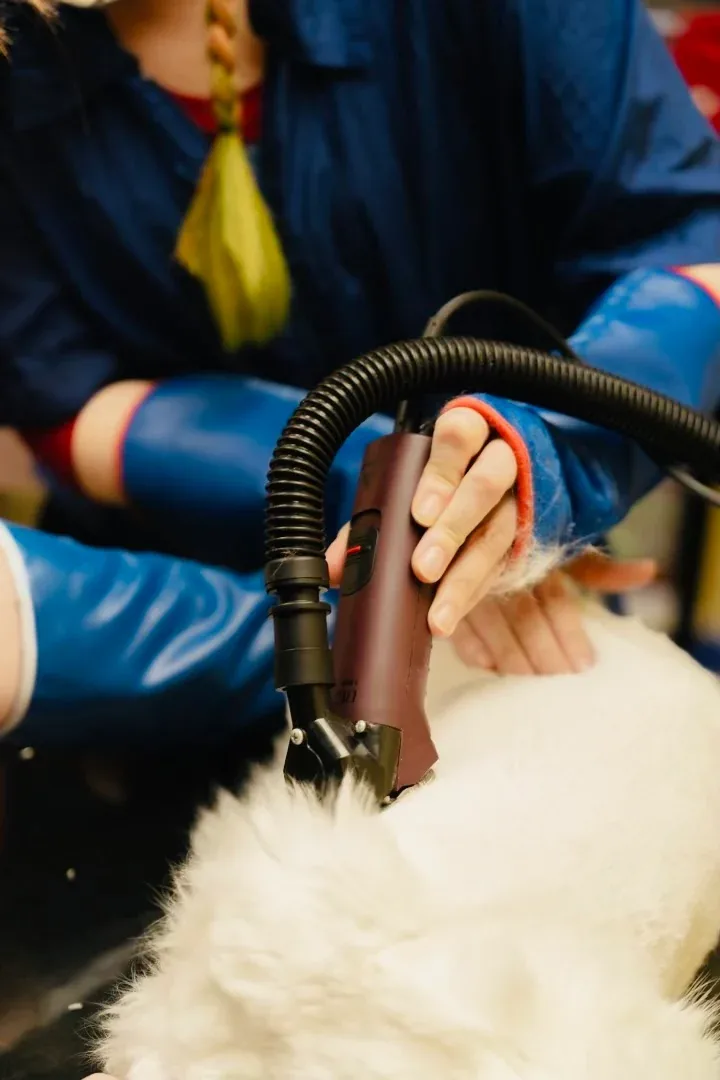
Haircuts and coat resets
Use clipping when matting, contamination, mobility, or maintenance makes coat removal appropriate.
Explore this guide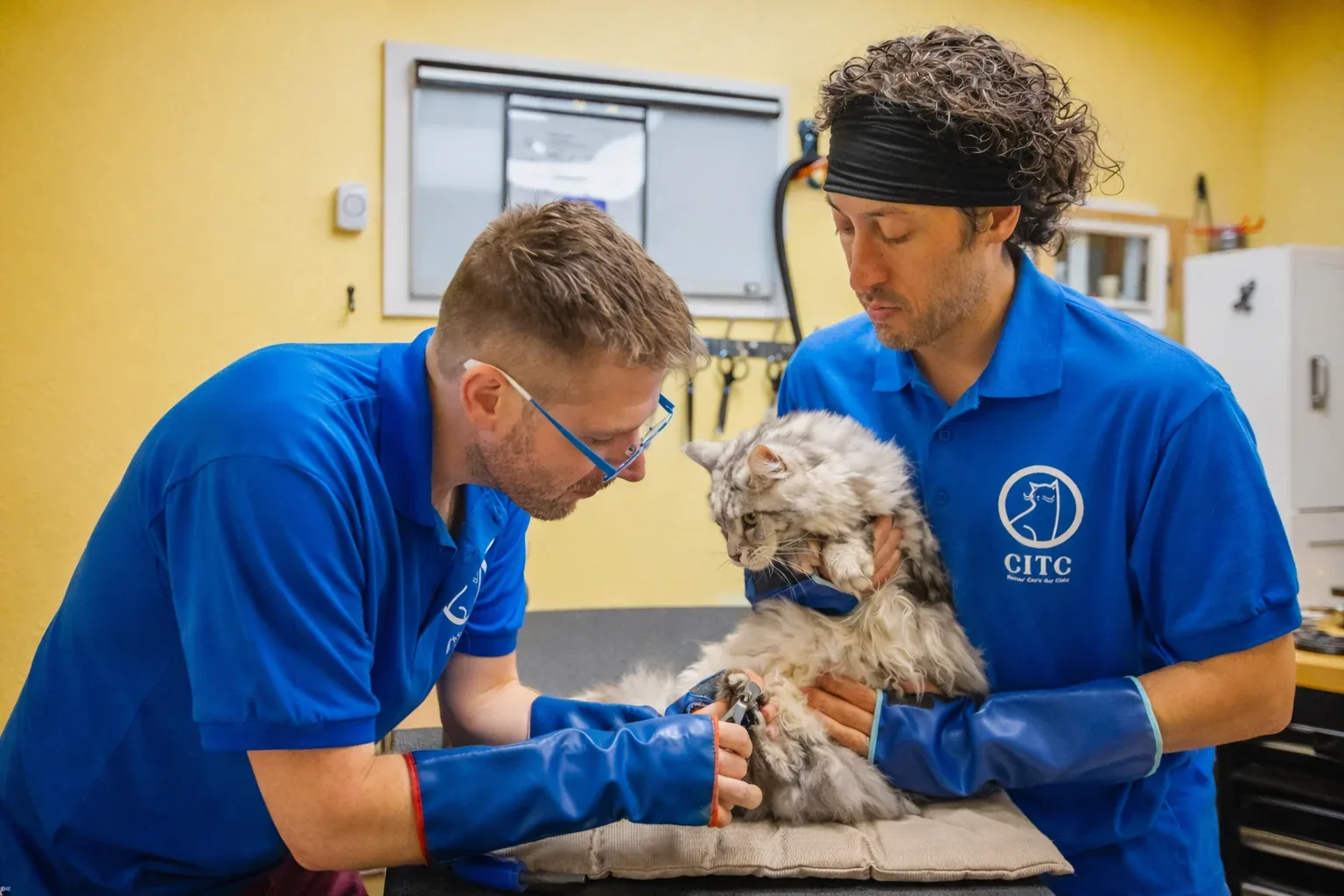
Claw care
Shorten routine claws and identify thickened, overgrown, or embedded claws that change the plan.
Explore this guide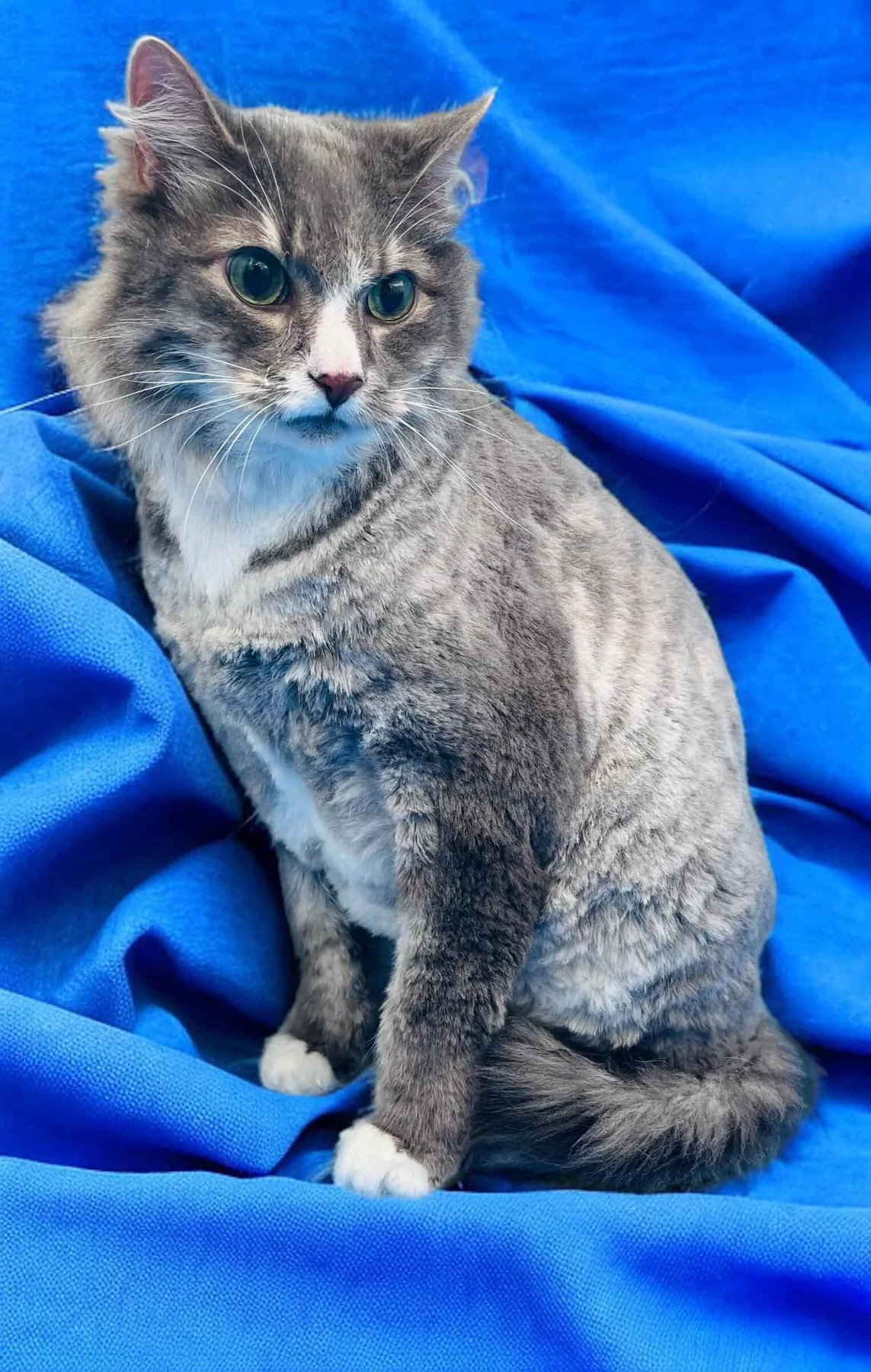
Sanitary and hygiene care
Address coat around areas that become difficult for some cats to keep clean.
Explore this guide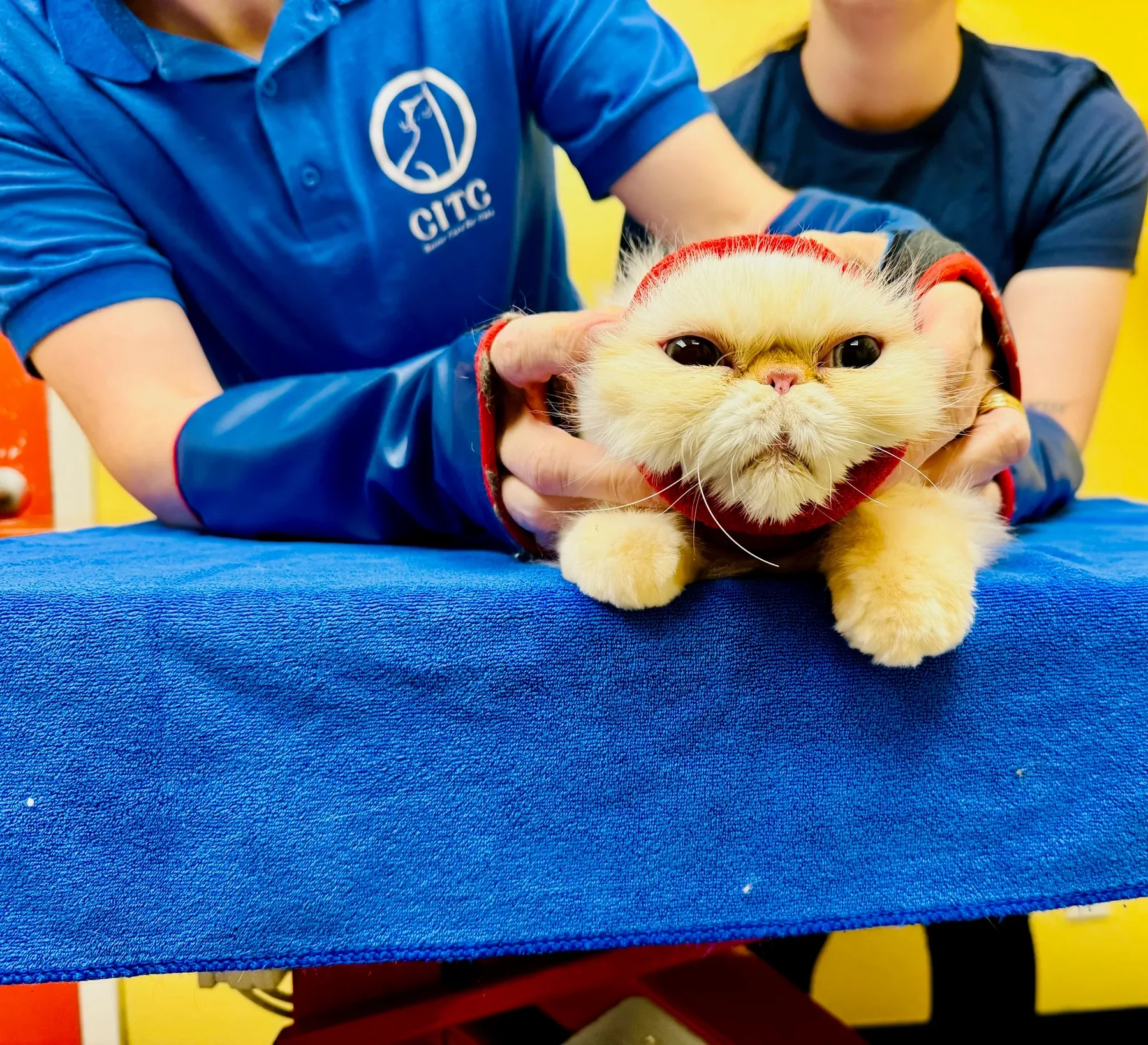
Handling adaptations
Change body position, staffing, pace, or sequence in response to the cat’s communication.
Explore this guide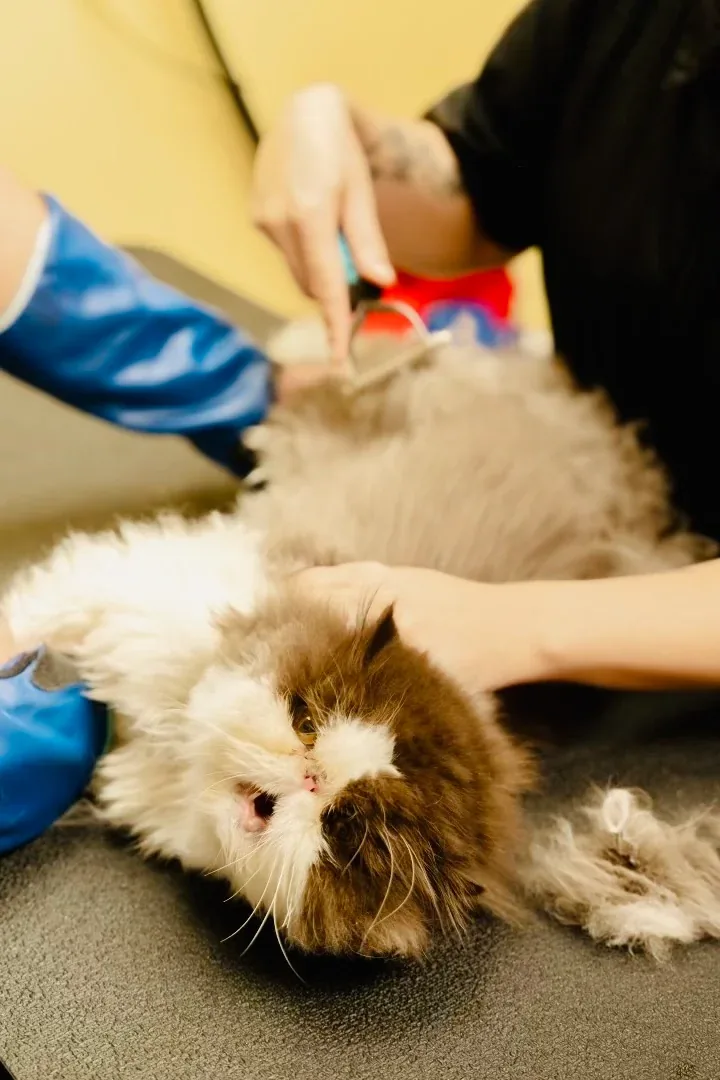
Why feline-only matters
Technique is only part of the appointment
Cats communicate rapidly through posture, breath, muscle tone, sound, gaze, and attempts to move away. A feline-only team can read those changes while another team member performs the technical work.
TANDEM Cat® handling distributes responsibility across the team. One person is not expected to restrain, monitor, assess, and groom at the same time.
This creates more room to maintain natural positions, pause earlier, change tactics, and identify when the safest answer is to defer or divide care.
What happens next
A clear path from concern to care
The goal is not to force every cat through the same appointment. It is to understand the need, choose the least disruptive effective plan, and adjust from what the cat communicates.
- 1
Tell us what you see
Share coat condition, hygiene concerns, recent changes, medical diagnoses, medications, and past grooming experiences.
- 2
The team evaluates the whole presentation
The service plan is confirmed after the cat, coat, body movement, and tolerance are observed together.
- 3
Care is adjusted in real time
Sequence, tools, staffing, positioning, and endpoint can change as new information appears.
Common questions
Questions guardians ask before booking
These answers are educational and cannot replace veterinary evaluation when a medical problem is suspected.
Do all cats receive a bath?
No. Bathing is often useful, but the appointment is built around what is appropriate and achievable for the individual cat.
Can grooming be completed without sedation?
Many cats are groomed awake. Medication or veterinary involvement may still be appropriate in some cases, and the team does not promise a single method for every cat.
Is this a veterinary service?
No. Professional grooming can identify observations worth sharing with a veterinarian, but it does not diagnose or treat disease.
Keep exploring
Related grooming routes
Move from the concern you can see to the service, handling approach, or local clinic most likely to help.
Matted coat care
Start here for mats, pelting, or dense coat that no longer separates normally.
Explore this guideSenior grooming
Explore grooming adaptations for reduced mobility, endurance, or self-maintenance.
Explore this guideProblem solver
Begin with the sign you are noticing and follow the suggested route.
Explore this guidePhase 2 deep routes
Explore 1 focused guides
These pages begin with a specific service, body area, coat change, handling barrier, or decision. Each route links back to Cats in the City for the deeper care system and booking.
Next step
Ready to choose a grooming starting point?
Appointments are provided by Cats in the City at its Powell and Beaverton feline-care locations.