Begin with what you can see—not the service name you think you need.
Choose the closest concern. The tool will suggest a useful education and booking route while preserving the team’s ability to refine the plan in person.
Care noteOne cat may have several concerns. Choose the most urgent or limiting problem first, then describe the rest in the booking notes.
Choose one concern
Your suggested route will appear here
What changed first?
Think about whether the first visible shift was coat texture, self-grooming, mobility, hygiene, claw length, or tolerance of touch. That history helps the team distinguish maintenance from a larger change.
Suggested starting route
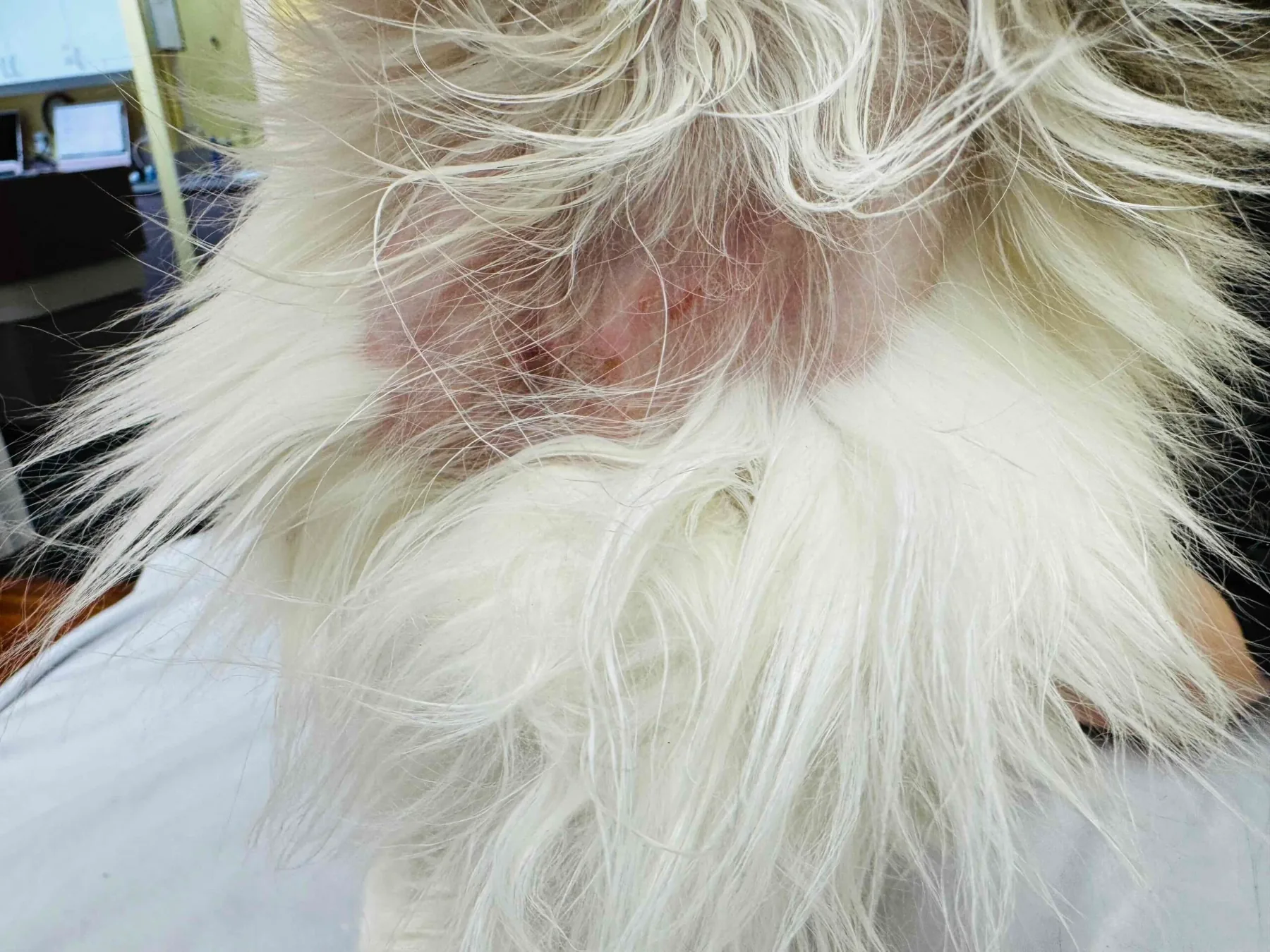
Mats, clumps, or a hard shell
The coat may be tangled, compressed, webbed, or pelted. Stop pulling or using scissors where skin is hidden.
This routing tool is educational. Sudden illness, open wounds, breathing difficulty, bleeding, marked pain, or other urgent findings should be discussed with a veterinarian.
Suggested starting route
Greasy, separated, or waxy coat
Oil can bind coat, collect debris, and accelerate tangling. Bathing and drying may be part of the route.
This routing tool is educational. Sudden illness, open wounds, breathing difficulty, bleeding, marked pain, or other urgent findings should be discussed with a veterinarian.
Suggested starting route
Heavy shedding or dense loose coat
Visible shedding may coexist with retained undercoat. Professional deshedding can restore separation.
This routing tool is educational. Sudden illness, open wounds, breathing difficulty, bleeding, marked pain, or other urgent findings should be discussed with a veterinarian.
Suggested starting route
Urine, feces, litter, or odor on coat
Contamination may need cleaning, targeted clipping, and a plan for mobility or medical contributors.
This routing tool is educational. Sudden illness, open wounds, breathing difficulty, bleeding, marked pain, or other urgent findings should be discussed with a veterinarian.
Suggested starting route
My cat cannot reach part of the body
Weight, pain, age, mobility, or illness may reduce self-grooming. Senior or special-needs care may fit.
This routing tool is educational. Sudden illness, open wounds, breathing difficulty, bleeding, marked pain, or other urgent findings should be discussed with a veterinarian.
Suggested starting route
My cat bites, scratches, or panics during care
Behavior is information. Share the full history so staffing, sequence, and endpoint can be adjusted.
This routing tool is educational. Sudden illness, open wounds, breathing difficulty, bleeding, marked pain, or other urgent findings should be discussed with a veterinarian.
Suggested starting route
Claws are thick, curling, snagging, or near the pad
Check every claw from the pad side. Tissue injury, swelling, discharge, or pain may also need veterinary care.
This routing tool is educational. Sudden illness, open wounds, breathing difficulty, bleeding, marked pain, or other urgent findings should be discussed with a veterinarian.
This routing tool is educational. Sudden illness, open wounds, breathing difficulty, bleeding, marked pain, or other urgent findings should be discussed with a veterinarian.
Why this tool starts with signs
The same visible problem can have more than one contributor
A greasy coat may reflect reduced self-grooming, coat density, skin disease, pain, age, body condition, or product residue. A mat may be local friction or the visible edge of a connected pelt.
The tool does not diagnose the cause. It helps guardians choose a reasonable service pathway and gather the observations that make the appointment more useful.
When a change is sudden, painful, accompanied by illness, or involves tissue damage, grooming and veterinary evaluation may need to happen together.
Phase 2 deep routes
Explore 1 focused guides
These pages begin with a specific service, body area, coat change, handling barrier, or decision. Each route links back to Cats in the City for the deeper care system and booking.