
Skin and coat hygiene
Cats groom themselves. That does not mean every coat can clean and maintain itself indefinitely.
Professional bathing can remove oil, debris, dandruff, odor, contamination, and loose coat while preparing the coat for safer drying, deshedding, or clipping.
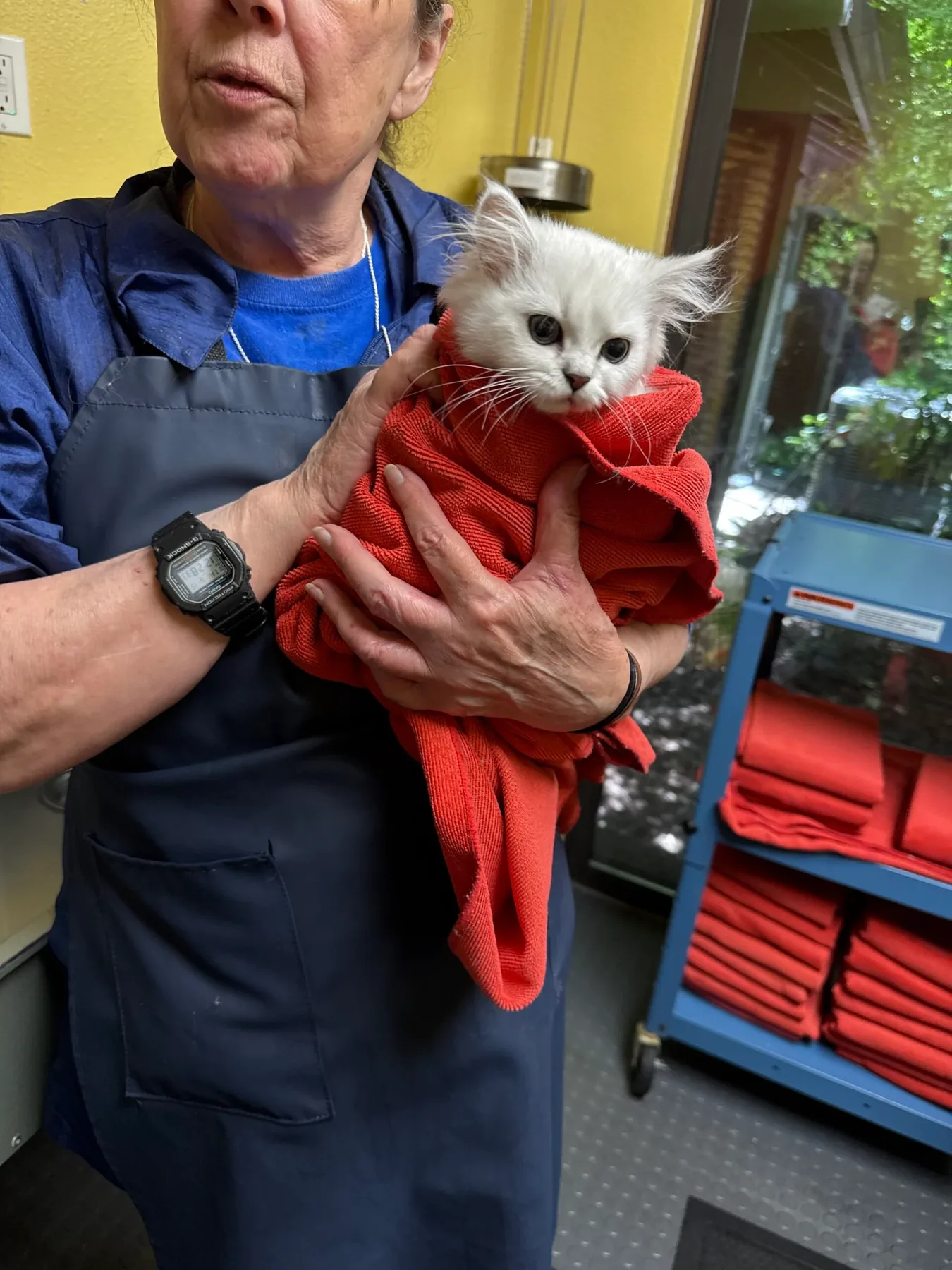
Start here
Reasons a cat may need professional bathing
The question is not whether cats lick themselves. It is whether licking is currently keeping the coat and skin surface clean, separate, dry, and functional.
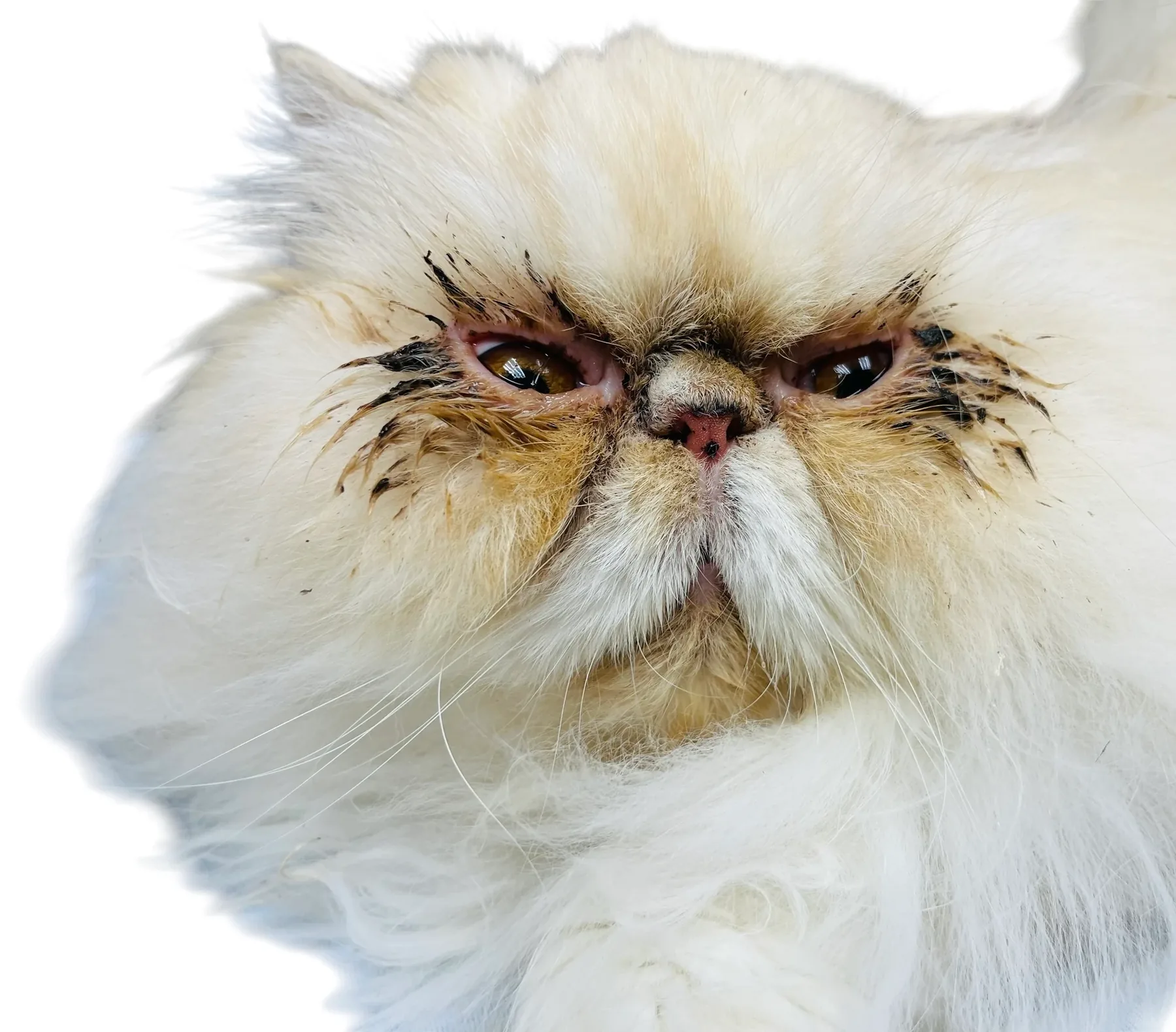
Oil and greasy coat
Remove accumulated sebum that causes coat to clump, attract debris, and feel heavy.
Explore this guide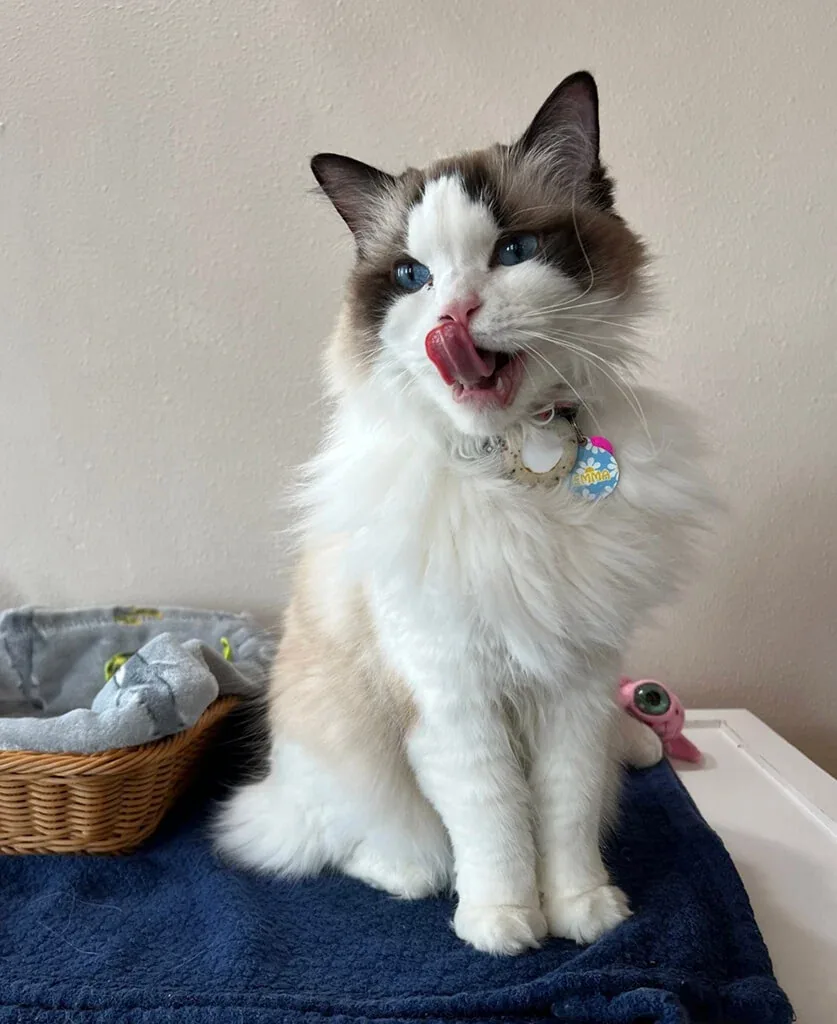
Dandruff and skin debris
Lift loose scale and improve access to the coat base without diagnosing the underlying cause.
Explore this guideUrine or fecal contamination
Clean affected coat and determine whether targeted clipping will improve ongoing hygiene.
Explore this guide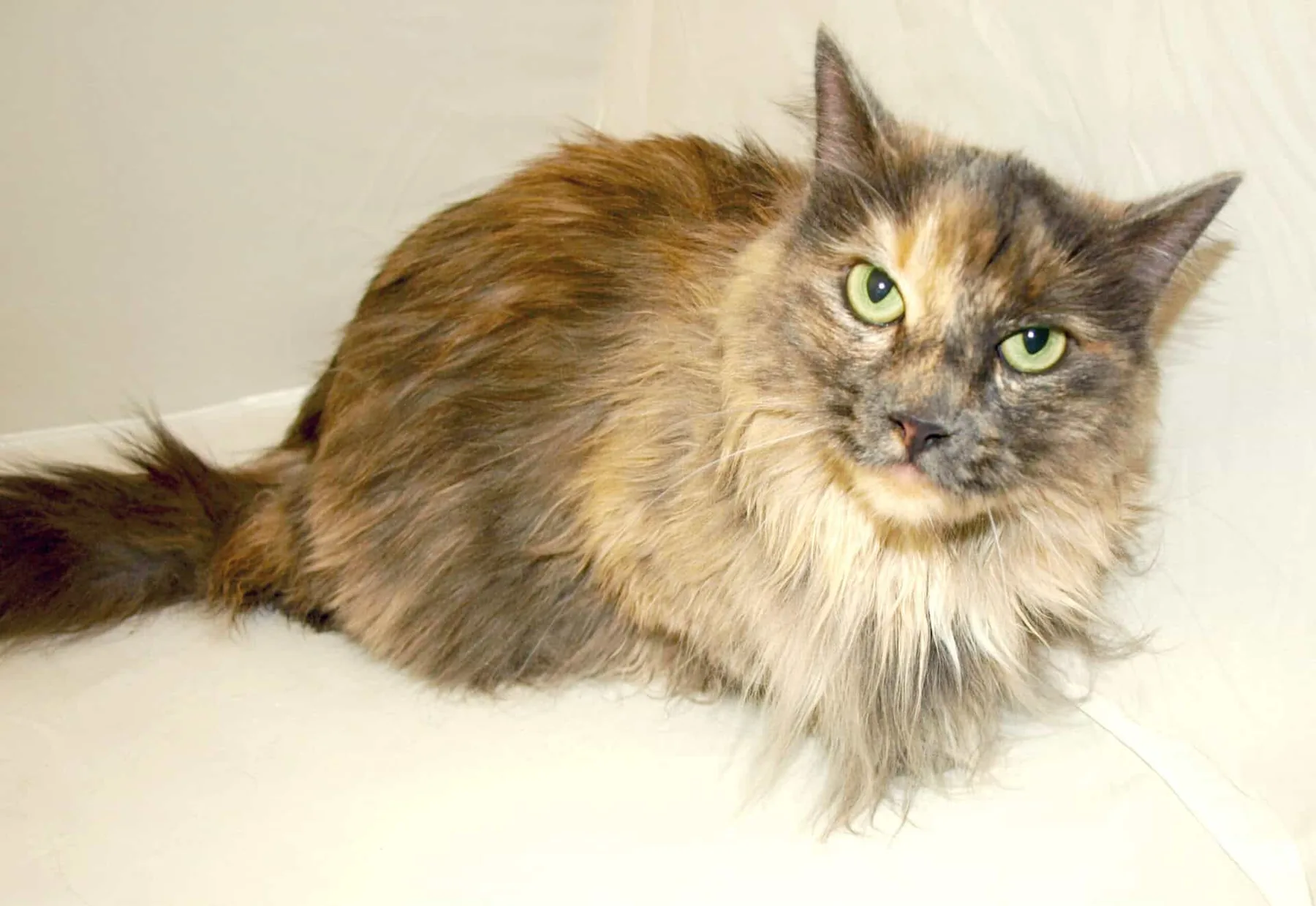
Loose undercoat
Use water, product, and drying to help release coat before mechanical removal.
Explore this guide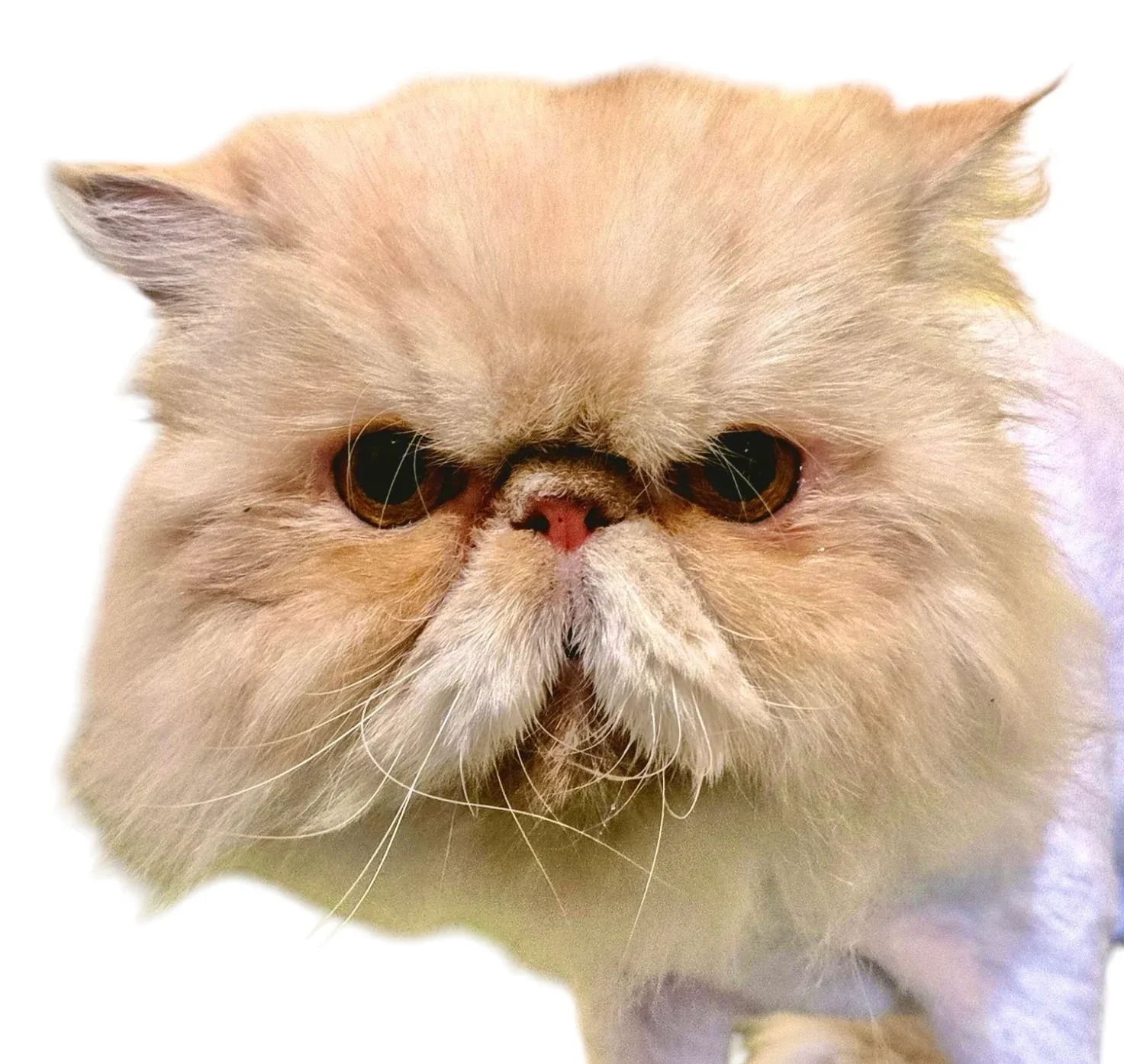
Stud tail and tail oil
Address heavy oil and debris on the tail surface while recommending veterinary input for inflamed skin.
Explore this guide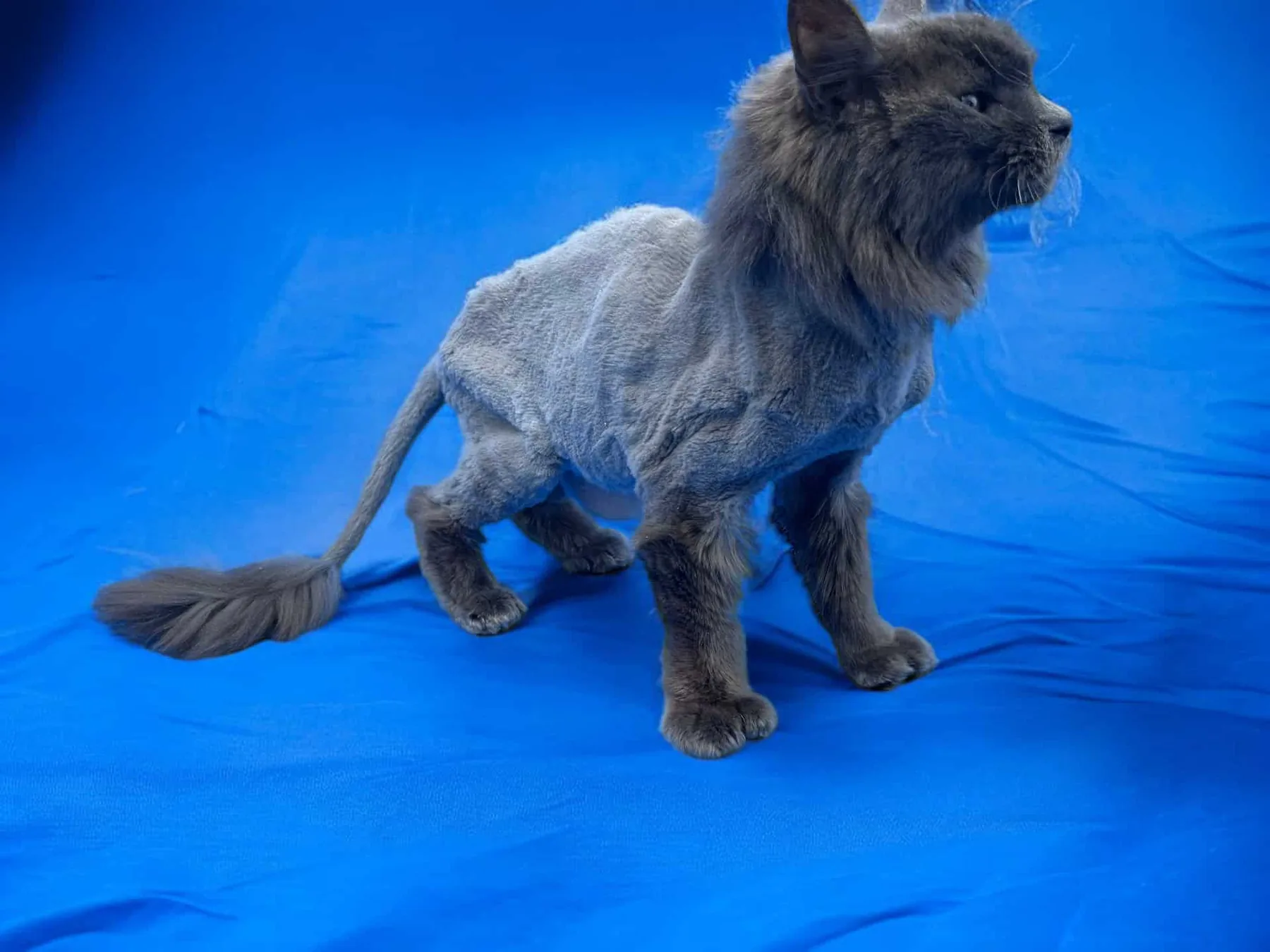
Reduced self-grooming
Support senior, obese, painful, or medically affected cats who can no longer maintain the full body.
Explore this guide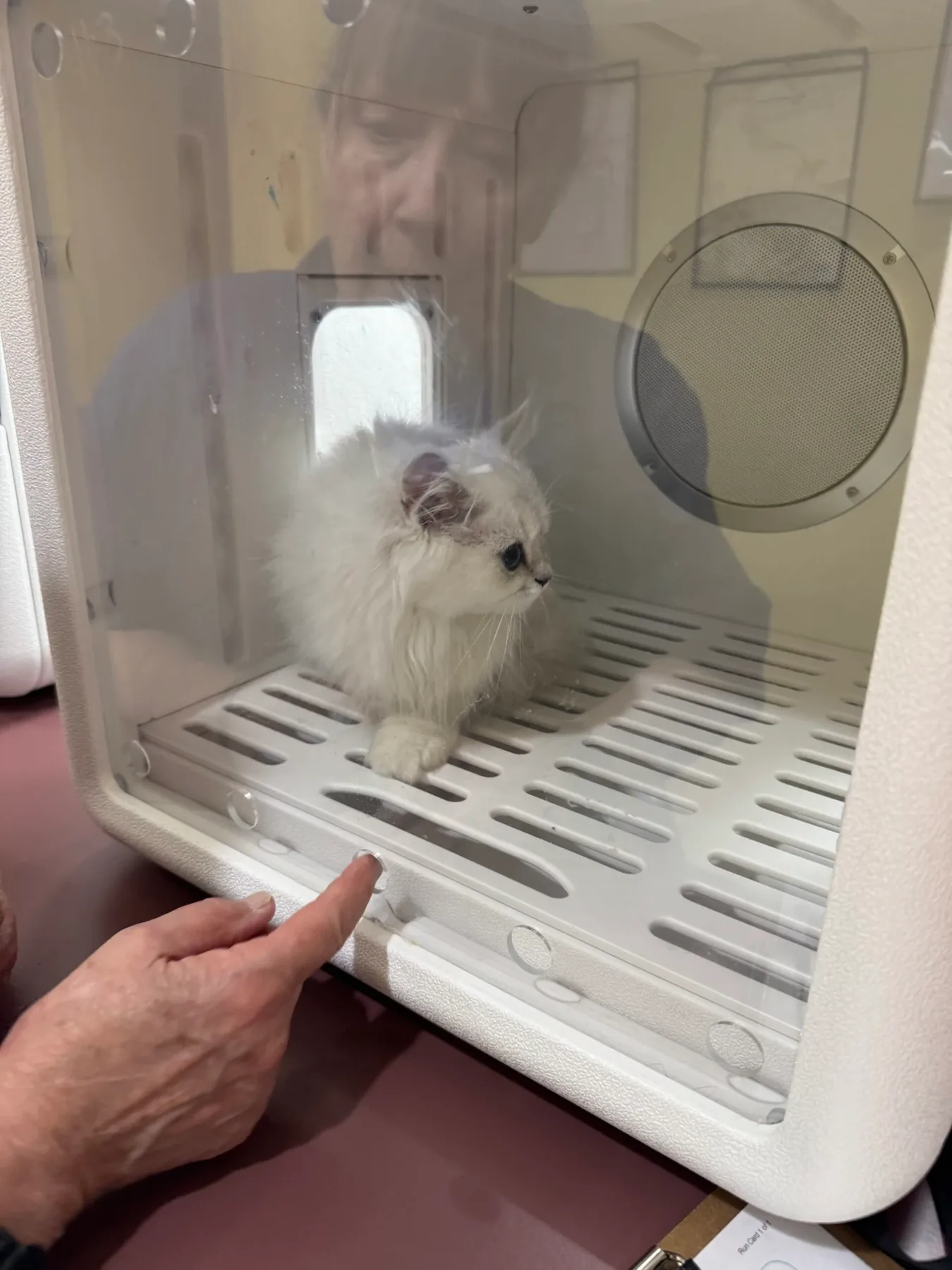
Drying is part of the service
The bath is only useful when the coat is dried and assessed well
A wet coat can hide density, tangles, and areas that have not rinsed clean. Drying reveals how the coat separates and what additional release or trimming is needed.
Cats in the City uses feline-oriented drying methods and adjusts airflow, sound, temperature, position, and duration in response to the cat.
Some cats complete a full dry; others need a modified endpoint. The team balances coat requirements with the cat’s regulation and health.
What happens next
A clear path from concern to care
The goal is not to force every cat through the same appointment. It is to understand the need, choose the least disruptive effective plan, and adjust from what the cat communicates.
- 1
Identify the reason for bathing
Oil, debris, shedding, contamination, and haircut preparation may each require a different sequence.
- 2
Prepare the coat without pulling through fused areas
Mats may need clipping before or after bathing depending on condition and skin access.
- 3
Dry, reassess, and finish
The coat is evaluated again once clean and dry enough to reveal what remains.
Common questions
Questions guardians ask before booking
These answers are educational and cannot replace veterinary evaluation when a medical problem is suspected.
Do indoor cats really need baths?
Some never need professional bathing; others benefit because of coat density, oil, age, body size, health, contamination, or maintenance goals.
Can I use human shampoo?
Human products are not formulated for feline skin and may leave irritating residues or inappropriate fragrance. Use products selected for cats.
What if my cat hates water?
The team evaluates the whole response and may modify handling, sequence, water delivery, or the scope of the appointment. No single bath method fits every cat.
Keep exploring
Related grooming routes
Move from the concern you can see to the service, handling approach, or local clinic most likely to help.
Next step
Ready to choose a grooming starting point?
Appointments are provided by Cats in the City at its Powell and Beaverton feline-care locations.