
Clipping and coat resets
A haircut should solve a real coat or hygiene problem.
Compare lion cuts, teddy bear cuts, sanitary trims, belly clips, and targeted coat removal—then choose a finish the cat and household can maintain.
Start here
Common haircut routes
The safest pattern is determined by coat condition, skin access, anatomy, tolerance, and the purpose of the haircut. Severe matting may dictate a different finish than an elective style.
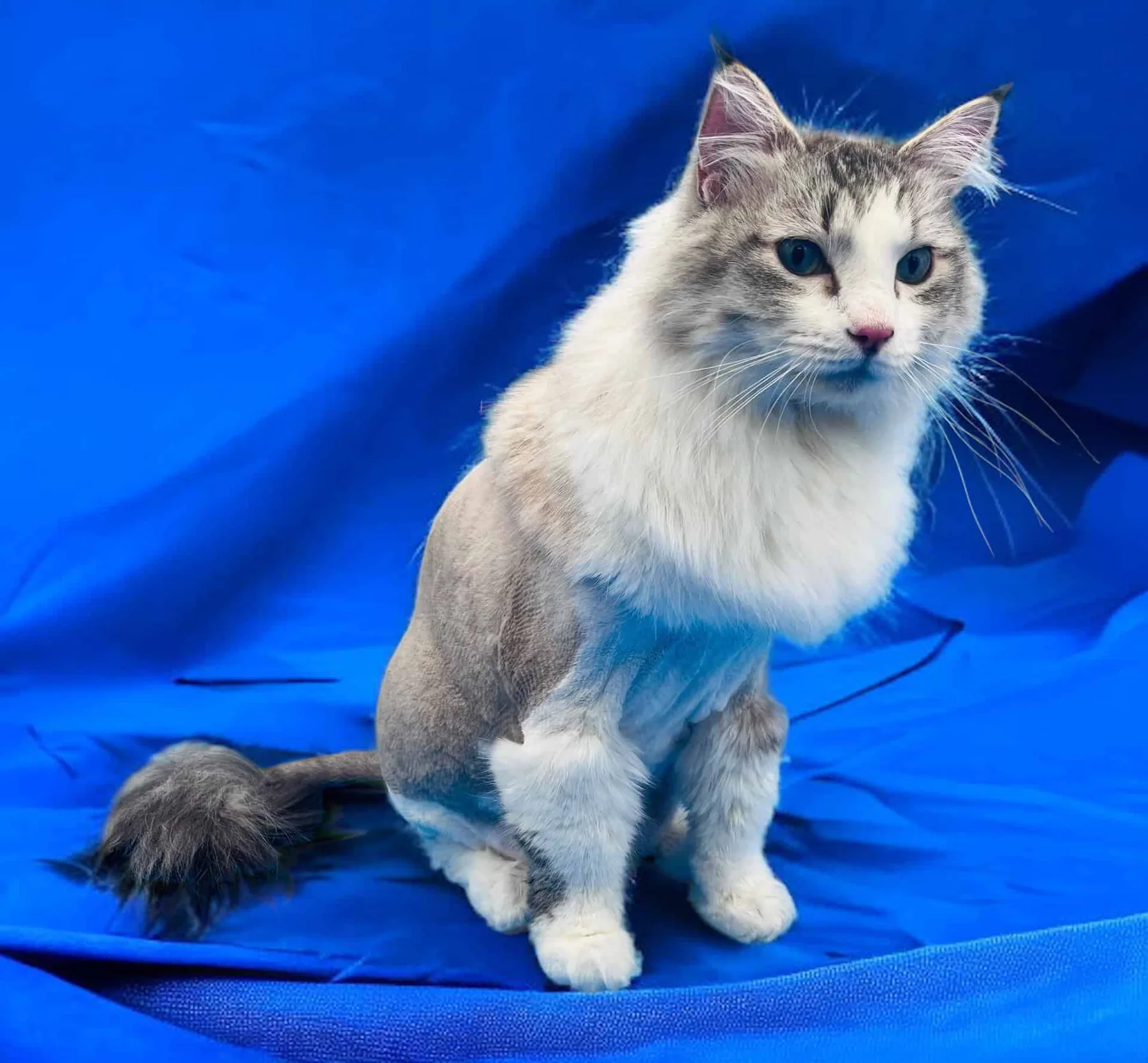
Lion cut
A short torso with a shaped mane, legs, and tail finish when coat removal or major simplification is needed.
Explore this guide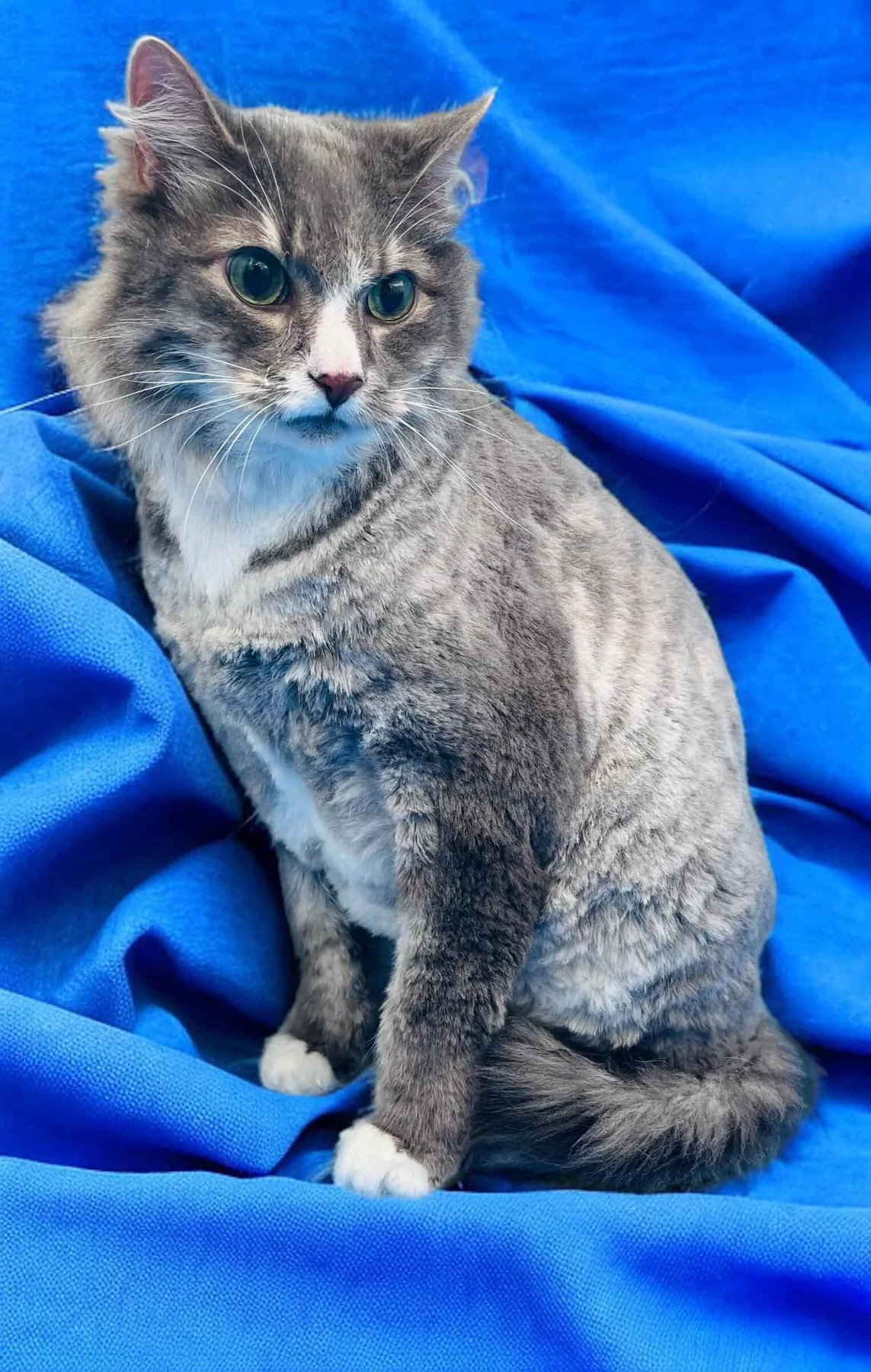
Teddy bear cut
A longer clipped finish when coat is free enough and the cat can tolerate the time required for an even result.
Explore this guide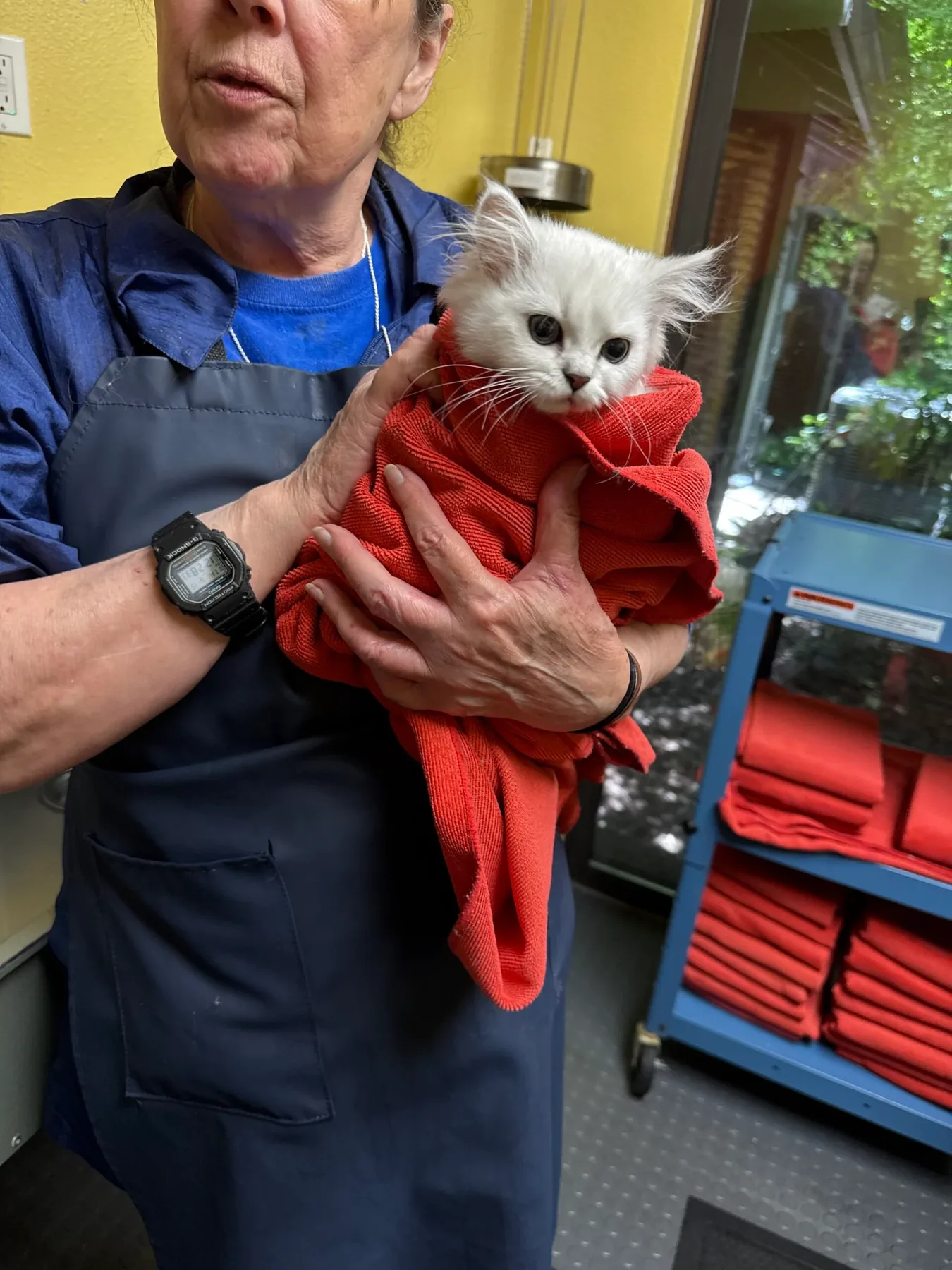
Sanitary trim
Targeted shortening around areas vulnerable to urine, feces, or litter contamination.
Explore this guide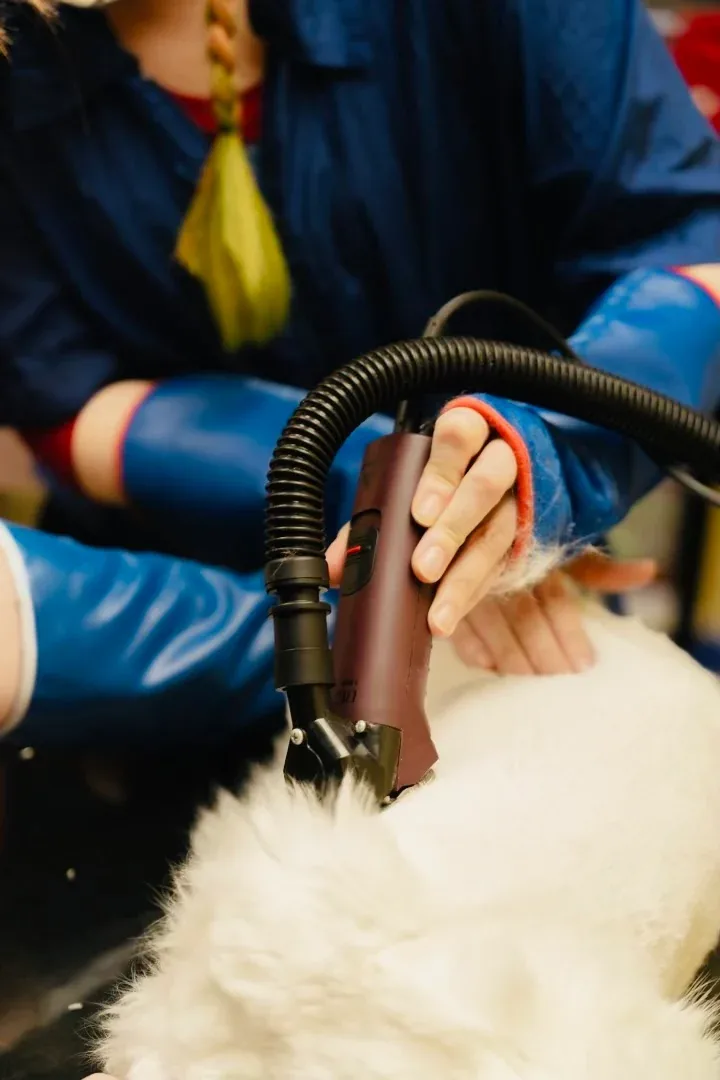
Belly or friction-area clip
Remove coat where mats, heat, moisture, or movement repeatedly create trouble.
Explore this guide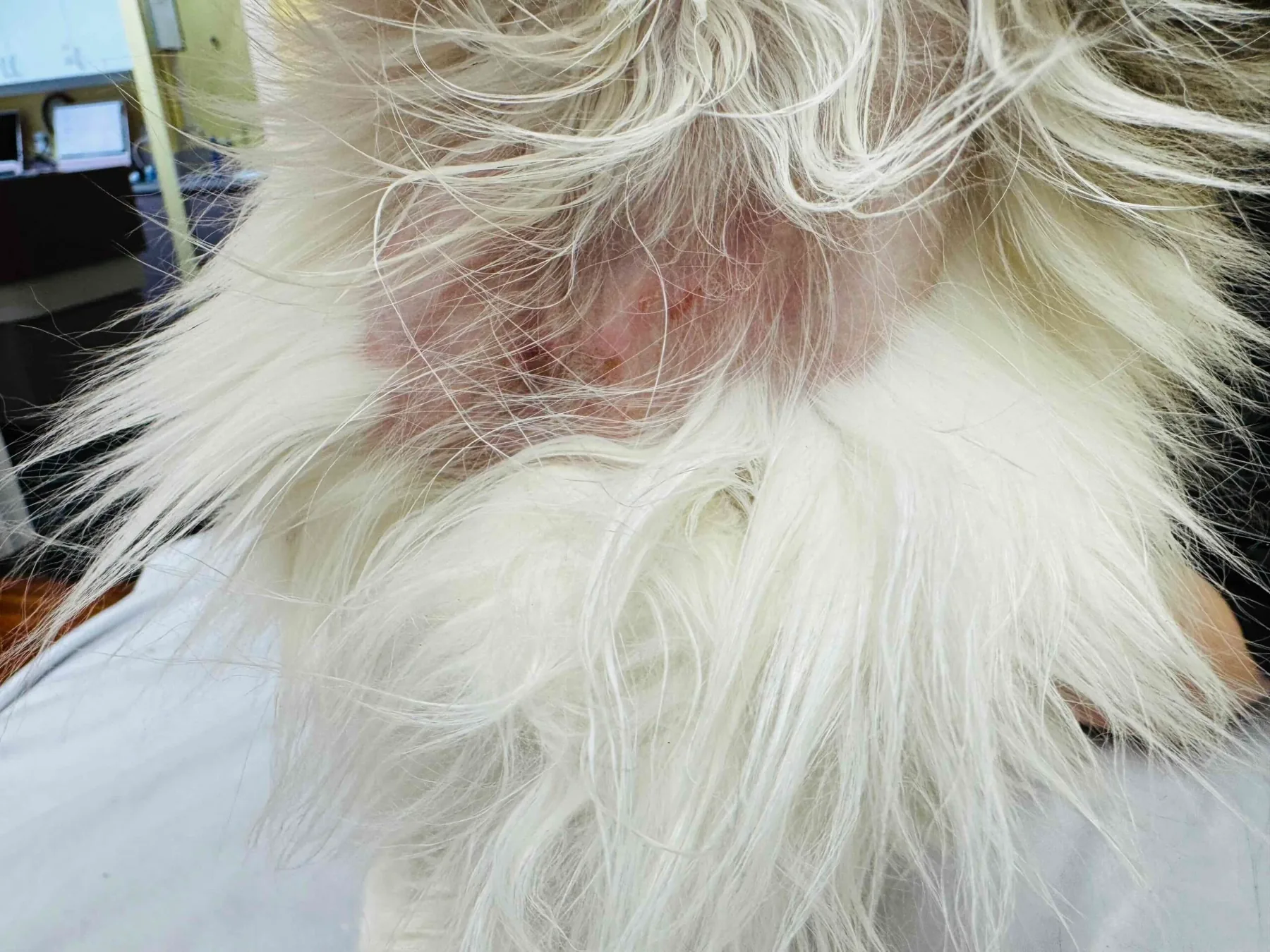
Matted coat removal
Follow the safe plane under fused coat rather than forcing a predetermined cosmetic pattern.
Explore this guide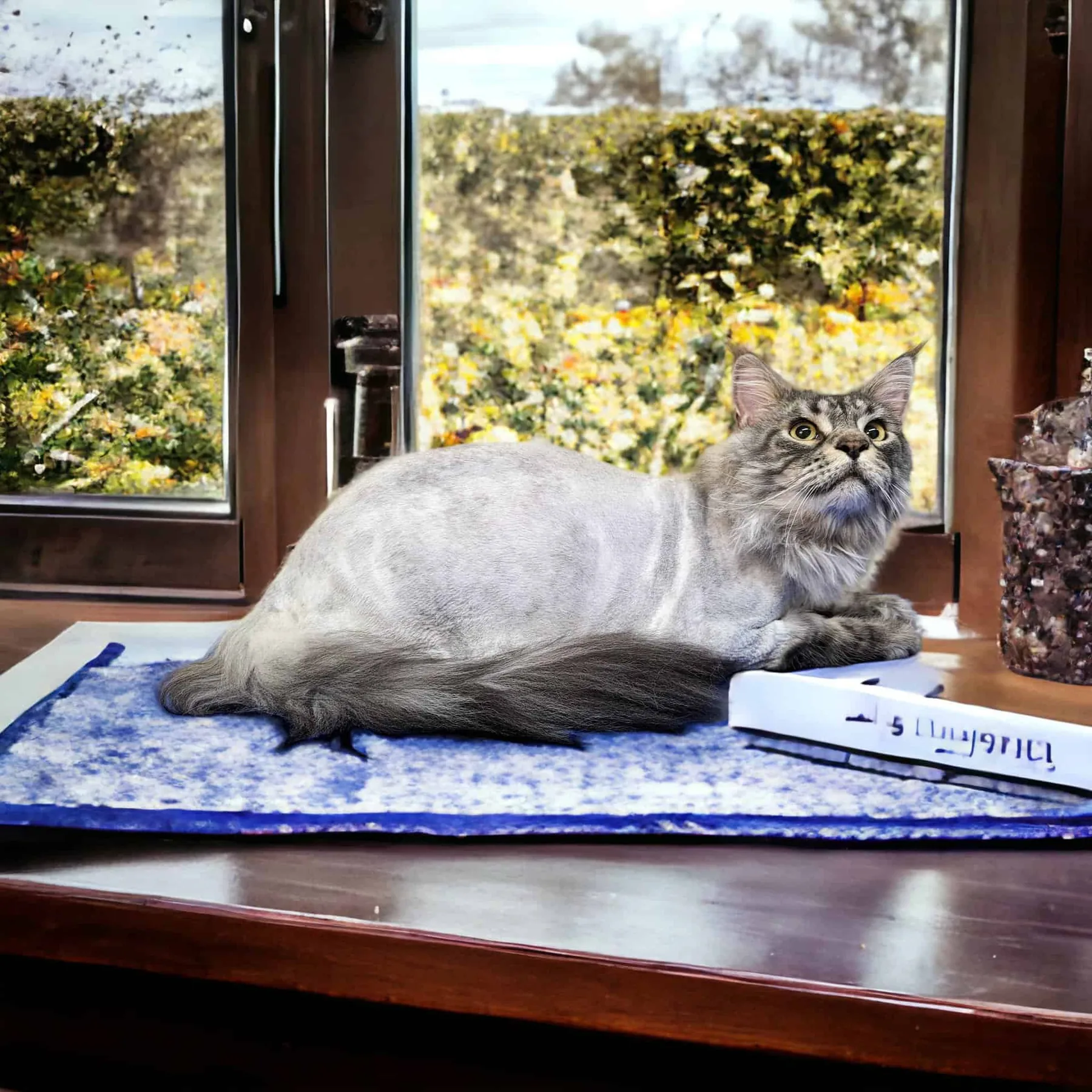
Breed-specific simplification
Shorten dense long coats when the guardian needs a more sustainable home-care plan.
Explore this guideStyle versus necessity
Coat condition determines how much choice exists
An elective haircut begins with a coat that can be safely prepared and clipped into a chosen pattern. A restorative haircut begins with a problem—matting, contamination, reduced mobility, or maintenance collapse.
When mats are tight, the team follows the location of the safe clipping plane. The resulting length and line may vary across the body.
After a reset, future appointments can often become more predictable because the guardian and grooming team can choose an interval before the coat returns to crisis.
What happens next
A clear path from concern to care
The goal is not to force every cat through the same appointment. It is to understand the need, choose the least disruptive effective plan, and adjust from what the cat communicates.
- 1
Name the functional goal
Examples include easier brushing, less contamination, mat prevention, reduced coat density, or complete coat release.
- 2
Let coat condition set the available finish
Photos help, but the final pattern cannot be confirmed until the coat and skin are examined.
- 3
Choose the maintenance interval
A haircut is a reset point. Bathing, combing, deshedding, and repeat clipping may still be needed.
Common questions
Questions guardians ask before booking
These answers are educational and cannot replace veterinary evaluation when a medical problem is suspected.
Will a cat be cold after a haircut?
Most indoor cats regulate well, but temperature, age, body condition, health, season, and coat length should be considered.
Does shaving permanently ruin the coat?
Regrowth varies by cat and can be affected by coat type, age, health, and repeated clipping. A needed coat reset should be judged against the current burden of the coat.
Can every cat receive a teddy bear cut?
No. The coat must allow a longer finish, and the cat must tolerate the additional preparation and clipping time.
Keep exploring
Related grooming routes
Move from the concern you can see to the service, handling approach, or local clinic most likely to help.
Phase 2 deep routes
Explore 4 focused guides
These pages begin with a specific service, body area, coat change, handling barrier, or decision. Each route links back to Cats in the City for the deeper care system and booking.
Next step
Ready to choose a grooming starting point?
Appointments are provided by Cats in the City at its Powell and Beaverton feline-care locations.