Senior and special-needs grooming
Senior Cat Stopped Grooming
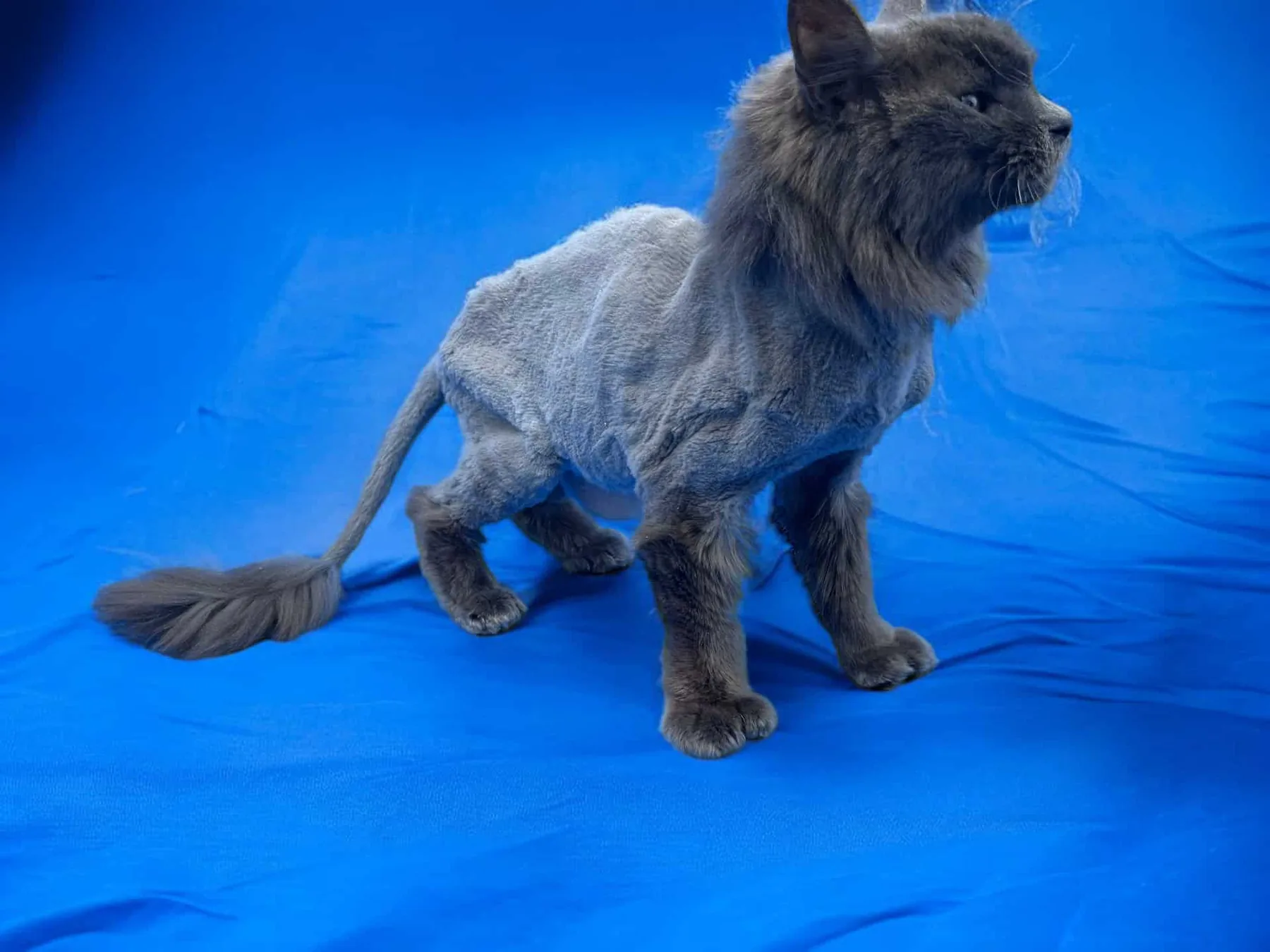
A decline in self-grooming is a functional sign. Arthritis, pain, obesity, weakness, dental disease, cognitive change, illness, or reduced endurance may make previously reachable areas inaccessible.
The practical answer
Start with function, not a preset service name.
Grooming can restore coat and hygiene function while documenting the pattern of decline. A veterinarian should evaluate sudden or progressive loss of self-care and associated health changes.
Coat, skin, body position, health history, and handling response are assessed together. The final service may differ from the label used during booking.
What guardians may notice
Observable signs that help the team understand the problem
Describe what you can see, feel, smell, or observe during movement. You do not need to diagnose the cause before booking.
Greasy or separated coat
New mats over the back and hips
Dandruff, odor, or debris
Thick claws and hindquarter hygiene decline
Why it may be happening
Several systems can converge in the same grooming problem.
- 01
Pain and reduced spinal flexibility
- 02
Weakness or systemic illness
- 03
Obesity or body-shape change
- 04
Cognitive, sensory, or behavioral change
Professional scope
What a structured grooming visit can do
- Review age-related changes in mobility, balance, endurance, self-grooming, hygiene, claws, and coat texture.
- Use supported natural positions and reduce unnecessary standing, twisting, traction, and repeated transitions.
- Prioritize the body areas creating the greatest hygiene, movement, or skin-access burden.
- Build a shorter maintenance interval when waiting would allow the same burden to rebuild.
Grooming can restore coat and hygiene function while documenting the pattern of decline. A veterinarian should evaluate sudden or progressive loss of self-care and associated health changes.
Avoid preventable injury
What not to force at home
- Do not force a senior cat to stand or extend joints beyond the position the cat can comfortably maintain.
- Do not assume coat collapse is merely cosmetic; reduced grooming can be an important functional change.
- Do not postpone claw checks in low-mobility cats, because claws may overgrow without obvious scratching behavior.
Lead with veterinary care
Findings that should not wait on a grooming solution
- Sudden inability to walk, collapse, severe breathing change, repeated falling, or acute disorientation.
- New weight loss, appetite change, vomiting, marked thirst, urinary change, or rapid decline in self-care.
- A painful mass, wound, infected claw, pressure injury, or skin condition needing diagnosis or medication.
Cats in the City authority source
Continue into the deeper care library
This Cat Grooming Portland page is the consumer route. Cats in the City holds the service, clinical handling, case, and care-system material behind it.
Common questions
Senior Cat Stopped Grooming FAQ
Is this just normal aging?
Age raises risk, but a new decline should not be dismissed without considering pain and illness.
Can professional grooming replace self-grooming?
It can support hygiene and coat function, but underlying health and daily needs still matter.
How often should an older cat be groomed?
Often more frequently than before, with the interval based on how quickly burden returns.
Related routes
Continue by service, condition, or next decision
Book the cat, not a fixed script
Tell the team what you are noticing.
The Cats in the City team assesses the coat, body, health history, and handling needs at check-in and confirms the appropriate care path.