
Matting and coat compression
What to Expect After Cat Mat Removal
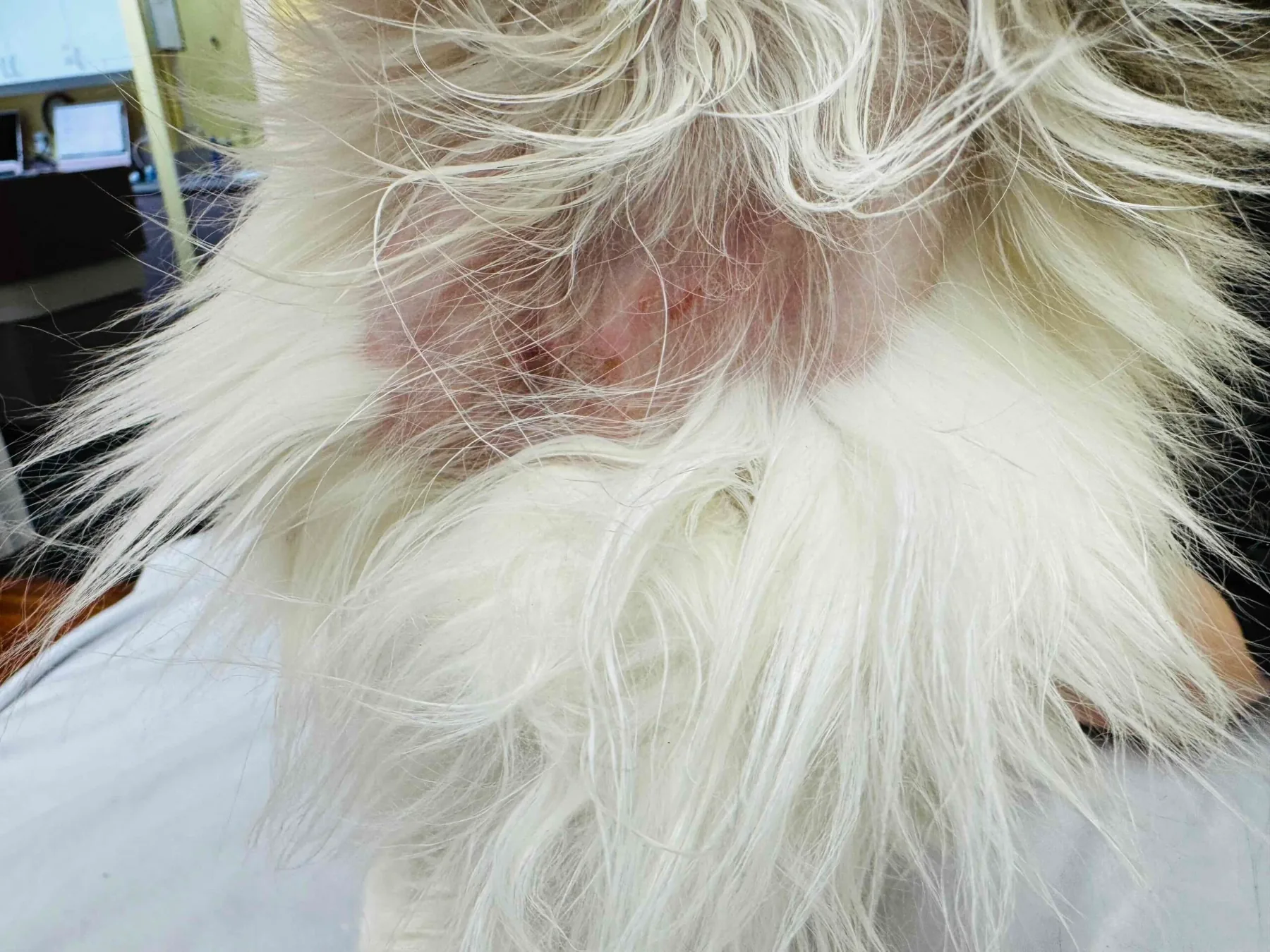
After a major mat or pelt is released, the cat may have short coat, uneven areas, newly visible skin, altered sensation, and a need for warmth and quiet. The aftercare plan should reflect what was found beneath the coat.
The practical answer
Start with function, not a preset service name.
The grooming team documents coat burden, skin observations, tolerance, and recommended follow-up. Guardians should monitor without applying unapproved products or allowing excessive licking.
Coat, skin, body position, health history, and handling response are assessed together. The final service may differ from the label used during booking.
What guardians may notice
Observable signs that help the team understand the problem
Describe what you can see, feel, smell, or observe during movement. You do not need to diagnose the cause before booking.
Pink skin or temporary sensitivity
A cat noticing or licking newly exposed areas
Improved range of motion
Bruising, sores, or inflammation that require veterinary follow-up
Why it may be happening
Several systems can converge in the same grooming problem.
- 01
Severity and duration of coat tension
- 02
Amount of skin newly exposed
- 03
Underlying dermatologic condition
- 04
The cat’s age, health, and temperature regulation
Professional scope
What a structured grooming visit can do
- Map where the coat still moves and where fibers have fused into skin-level sheets or body-shaped panels.
- Select unthreading, coat decompression, clipping, bathing, or a staged reset according to severity.
- Protect thin mobile skin while releasing tension in small, observable increments.
- Reassess comfort, skin condition, movement, temperature, and endurance throughout the procedure.
The grooming team documents coat burden, skin observations, tolerance, and recommended follow-up. Guardians should monitor without applying unapproved products or allowing excessive licking.
Avoid preventable injury
What not to force at home
- Do not cut mats with household scissors; feline skin can be pulled into the mat and cut without warning.
- Do not repeatedly tug or brush a mat that does not separate with very light work.
- Do not bathe a tightly pelted coat at home without a professional plan, because wet fibers may contract and dry more densely.
Lead with veterinary care
Findings that should not wait on a grooming solution
- Bleeding, pus, an open wound, a foul infected odor, extensive bruising, or tissue that appears dark or nonviable.
- Collapse, labored breathing, severe weakness, inability to stand, or a cat who seems systemically ill.
- A painful swelling, mass, surgical site, or unexplained skin lesion hidden beneath the coat.
Cats in the City authority source
Continue into the deeper care library
This Cat Grooming Portland page is the consumer route. Cats in the City holds the service, clinical handling, case, and care-system material behind it.
Common questions
What to Expect After Cat Mat Removal FAQ
Is pink skin normal?
Mild temporary pinkness can occur, but marked redness, swelling, discharge, bruising, or pain should be evaluated.
Should I bathe the cat at home afterward?
Follow the specific aftercare instructions; newly exposed skin may need a quiet period.
When should the next groom happen?
Before the same coat burden returns, often on a shorter interval than the previous one.
Related routes
Continue by service, condition, or next decision
Book the cat, not a fixed script
Tell the team what you are noticing.
The Cats in the City team assesses the coat, body, health history, and handling needs at check-in and confirms the appropriate care path.